Allende On His Last Sundowns Season? Heavy Schedules Spark Debate
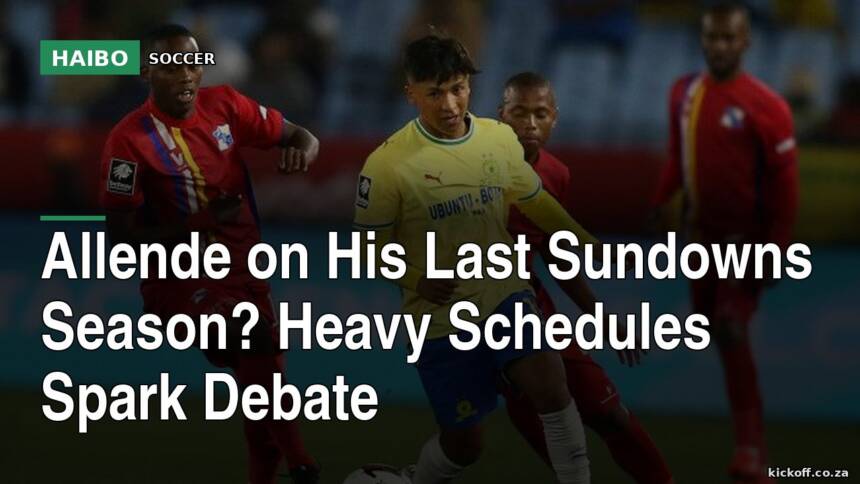
Jump straight into the middle of the chat, Chillers — you try to get your drink ready and suddenly Marcelo Allende drops another reality check about playing at this level. My take? The modern game treats athlete availability like it never runs out, which sounds completely unsustainable just hearing it said out loud. Mara, but I could be wrong.
Wait, wait, wait — you think a heavy match schedule just magically solves itself? Nah, that’s fantasy. Allende recently discussed how packed the fixture list has become, and he openly acknowledged that this season might actually be his last with Mamelodi Sundowns. Yet, he still pledged to maintain a professional attitude and full commitment for as long as he remains with the team. You see, that’s the kind of messaging that plays well in press rooms, but ordinary fans know the real cost lives in the recovery days and the travel miles. If you ask me, asking players to treat a relentless calendar like a normal routine is where the disconnect starts. That doesn’t sound like sustainable planning, that sounds like the industry pushing boundaries until someone snaps. And that, to me, is exactly why we need to talk about what happens when the legs finally give out.
When the Calendar Wins, Who Pays?
The streets are saying the fixture congestion isn’t slowing down, and the focus is already shifting toward an upcoming match against Al Ahli. Allende mentioned that the squad is managing the physical demands of playing many games by focusing on the collective strength of the group rather than carrying individual fatigue alone. I respect the unity talk, but we have to ask: does leaning on each other fix the problem, or does it just hide it longer? It’s not clear whether the setup is built to handle this volume, or if the team is just relying on brotherhood to carry the weight. My bet is that structural gaps show up worst right when the pressure mounts.
The Vow Versus The Reality
Here is where the story usually gets complicated. Allende made it plain that he intends to honour his responsibilities and give everything until he steps away, regardless of whether he extends his stay. Honest? We don’t judge players for weighing their options when the workload feels endless, but we also don’t reward setups that bank on goodwill instead of proper load management. If you tell the story properly, what we’re watching is a seasoned midfielder doing his job while quietly assessing his own longevity. That’s fine. It’s business. But I reckon the football industry needs to stop pretending that sheer willpower replaces realistic scheduling. Players are humans, not machines. And that, to me, is why the conversation needs to shift away from glorifying burnout.
Look, Allende’s message was clear: do the work, respect the club, and prepare for whatever comes next. The timeline can speculate about transfer rumors all it wants, but the actual commitment is happening right now. I want to hear from you though — because the debate over player welfare versus club demands isn’t settling anytime soon. Is prioritising squad endurance over individual career pacing the only way to survive the new era, or are we just accepting a system that pushes stars too far? Tell me where you stand before the comments section explodes.
Vote in the Facebook comments — results and your best takes become tomorrow's article.