Richemont Splits the Chair: Anton Rupert’s New Role Explained
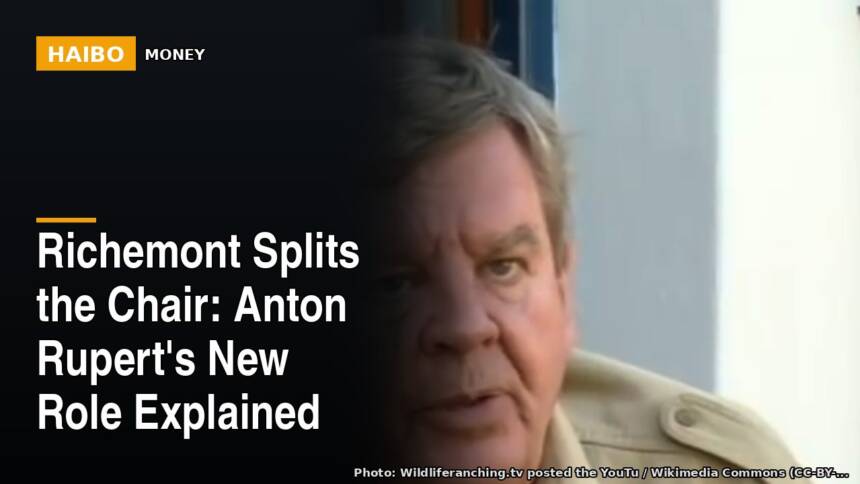
You see how the timeline just dropped the new board update and suddenly everyone’s playing executive?
Nah, but listen, Chillers, the way Richemont handled this feels less like a routine corporate memo and more like a velvet rope being pulled back. My take is that luxury conglomerates don’t hand out co-deputy titles to anyone who just shows up with a good suit—this reads as a calculated power share, but I could be wrong.
Splitting the Chair
So here is what actually landed on the desk. Johann Rupert, who chairs the group and sits comfortably as South Africa’s wealthiest individual, decided it was time to adjust the helm. During a board meeting on September 8, the directors approved a shift that puts his 39-year-old son, Anton Rupert, into a non-executive co-deputy chairman role.
He won’t be sitting alone at the table though. He shares that exact title with Bram Schot, who was already tapped for a similar post back in 2024. The board approved this change during that September 8 meeting, which means the paperwork has been moving in circles long before it hit the feeds.
The Ordinary Worker vs The Velvet Rope
Eish, look. The everyday employee is still fighting for a transport allowance while the boardroom is literally splitting a single chair between two executives. Honestly, if you ask me, this is just how the industry quietly keeps the vaults locked while pretending everything runs on pure meritocracy. I reckon they needed a fresh dynamic, so they paired a legacy name with an established operator. It’s smart engineering, even if it looks suspiciously familiar when you’re scrolling past your own unpaid overtime.
Mara, we do not judge the strategy here, but we do notice the pattern. When sponsors and mainstream outlets start celebrating these moves as fresh blood, my bet is they’re really just praising stability. The streets are saying the network needed a bridge between old money and new management, and honestly, that tracks.
A Holding Pattern or A Stepping Stone?
You tell the story, because the move happened fast and the documentation was clean. Johann didn’t step down, Anton isn’t running day-to-day operations, and Bram stays right where he was planted. It’s a holding pattern dressed up as a promotion. Face card for face card, the board kept the capital intact while testing the waters. Wait, wait, wait — am I reading too much into a non-executive title? Probably. I could easily be wrong, and maybe this is just standard succession planning wearing a bespoke coat.
Think about how we shop. We pay premium prices for heritage and craftsmanship, yet the boards making those decisions operate in a completely different economy. If you ask me, there’s a funny disconnect when the public praises luxury brands for staying relevant while the actual decision-makers are just protecting the status quo. I don’t get why we expect radical shifts from companies that prioritize slow, careful growth over viral moments. That’s fine, but it does make you wonder who actually benefits from the polish.
But let’s be realistic: when the richest man in the country reshuffles the deck, the rest of us feel the wind change. I’m watching to see if this setup actually pushes innovation forward or just polishes the family ledger. Bring them all, dog, because the conversation is far from over.
Drop your verdict below, Chillers: are you calling this a smooth corporate transition, or just another quiet handshake behind closed doors?
Reporting drawn from Sunday World and iol.co.za.
Vote in the Facebook comments — results and your best takes become tomorrow's article.