Baroka FC Arbitration Ruling: Peace Over Pride In Football
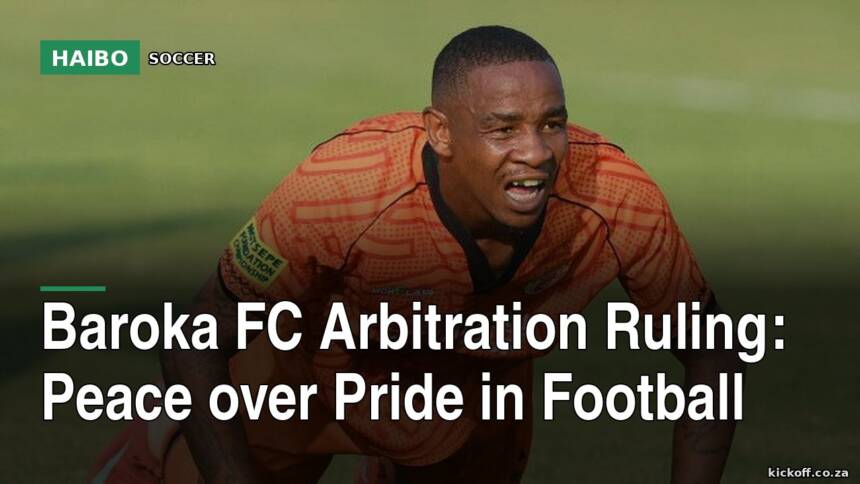
Drop your phones for a second, Chillers, because the usual contract drama just took a surprisingly quiet turn. Let’s stop pretending football finances make sense before we even unpack why a 25% pay cut had to go to arbitration in the first place. If you ask me, the way clubs handle payroll adjustments reads less like responsible accounting and more like a stress test for human patience, honestly, though I could be wrong.
The Quarter That Changed Everything
eish, watching the typical dispute unfold over a simple 25% salary reduction during the previous season felt entirely predictable until the SAFA arbitration panel actually stepped in and handed down a decision. Normally these contract squabbles drag through lawyers, leaked emails, and enough group chat noise to wake the whole province. Instead, the panel ruled on the matter, and according to reports, the outcome left both Baroka FC and former player Mothusi Gopane allegedly content.
Arbitration Vs The Public Square
My take is that walking away from a dispute without dragging it into the public square is genuinely rare in our current sports climate, and I reckon that kind of quiet resolution deserves more attention than the shouting matches we usually get fed. The streets are saying arbitration is just another bureaucratic hoop designed to waste time, yet this specific ruling actually closed the book without turning it into a viral tear-jerker or a press conference roast. That, to me, is the kind of clean exit the industry desperately needs more of.
Peace Over Pride
A 25% cut isn’t just a rounding error on a spreadsheet; it affects rent, groceries, and whether a player can still treat themselves after training. When an organization trims wages mid-season, they’re making a deliberate choice, and if you look at the broader pattern, it often feels like clubs prefer to keep the financial pressure on the backs of the people actually running the drills. I’m not saying every adjustment is malicious, but let’s be realistic: nobody enjoys having a quarter of their monthly income vanish while the stadium lights stay on and the sponsors keep handing out cheques.
So we got a 25% pay dispute, a panel decision, and two sides allegedly happy with the result. No leaked documents, no dramatic walkouts, just paperwork finally meeting reality. Sometimes the industry does the right thing quietly, and honestly, that silence is louder than any scandal. You tell the story, Chillers: do you side with clubs keeping the power to adjust wages when budgets tighten, or should a full payout always be locked in stone the moment a contract is signed?
Reported via Kickoff.co.za and Kickoff.com.
Vote in the Facebook comments — results and your best takes become tomorrow's article.