Whiplash on the Timeline: Gold Medals, House Fires, and Who Gets Help
Nah, but listen, Chillers, our phones just decided to serve us a masterclass in emotional whiplash, and I need to talk about it before the next notification drops. Honestly, my take is that the entertainment industry profits from forcing us to choose between mourning a stranger and celebrating an icon, but I could be wrong. Still, we’re sitting here processing two completely different realities on the exact same timeline, and the way the media packages them tells you everything you need to know about where our collective attention actually goes.
Gold Medals and Ashes
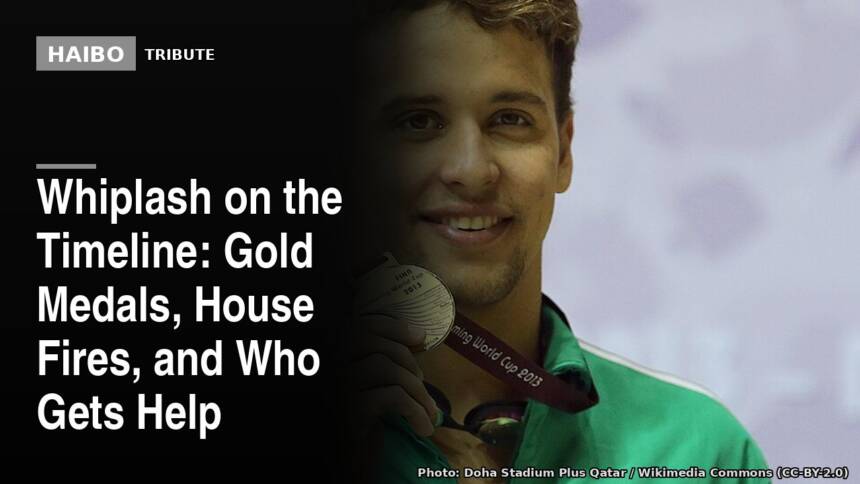
On one screen, reports from iol.co.za detail how swimming legend Chad le Clos secured a historic Commonwealth Games medal, a moment meant to go down in sports history. Yet the very same coverage pivots hard to the aftermath of a blaze that allegedly destroyed his home. It’s the kind of celebrity tragedy that gets wrapped in glossy press releases and corporate statements, packaged neatly so fans know exactly which hashtag to trend and which brand to tag for sympathy. The machinery knows how to monetise heartbreak, and it does it efficiently.
The Other Side of the Feed
Scroll a few inches down and you hit another story entirely. According to thesouthafrican.com, a 74-year-old woman in Buffelsdraai, KwaZulu-Natal, watched a fire consume her one-room home along with absolutely everything she owned. There is no sponsor deal attached to this disaster. There is no crisis management team coordinating release windows. There is just the quiet, brutal reality of watching your entire life shrink to ash while the rest of the country scrolls past it to get to the next trending topic.
Who Gets to Be Seen?
I don’t understand why we treat human suffering like exclusive content drops. If you ask me, the whole distribution system is rigged to amplify fame while quietly normalising neglect for everyone else. The industry would rather you feel bad for a week about a famous athlete’s property damage than actually fund the grassroots networks that help ordinary families rebuild after a storm. And that, to me, reads less like public care and more like algorithmic engagement farming.
But let’s be realistic, neither tragedy is a competition. Grief doesn’t come with a verified checkmark, and survival isn’t a tiered membership. What irritates me is how quickly we’re conditioned to compartmentalise pain based on net worth and follower counts. We cheer the podium finishes, we tap our chests for the hashtags, and then we wait for someone else to handle the structural fires.
My bet is the sponsorship money flows faster to the famous name, while the pensioner waits for community donations that might never materialise. That’s not malice; it’s just market logic. We don’t judge here what people post, but we absolutely should judge how we distribute compassion across the feed.
So I’ll leave this with you, because the comment section needs to weigh in before we forget either story by tomorrow morning: when the timeline drops a celebrity tragedy and an ordinary crisis on the same day, should brands and media houses split their outreach equally, or is it fair game to prioritise whoever brings the biggest audience?
Vote in the Facebook comments — results and your best takes become tomorrow's article.