Chippa’s FIFA Freeze: Why Payroll Delays Cost More Than Points
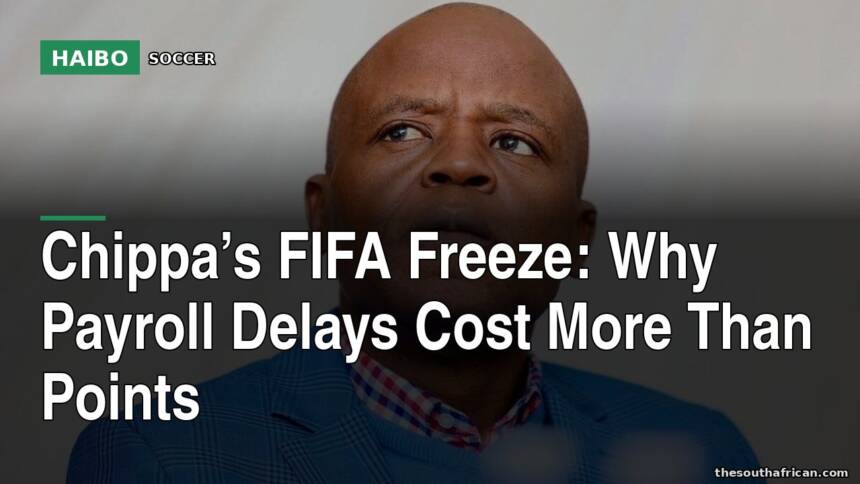
Nah, but listen — you don’t wait till the next transfer window to finally pay a guy who bled for your badge, bru. Chillers, we’re talking Chippa United again, because apparently treating player wages like loose change is practically an institutional hobby in this league.
Why Does The Same Script Keep Rewriting Itself?
According to coverage from thesouthafrican.com and SABC Sport, FIFA has officially slapped the Eastern Cape outfit with another registration penalty. The alleged trigger? Uncompensated fees tied to Roland Sanou, a former midfielder who allegedly spent his seasons tracking back and representing the crest. If the regulatory documents track correctly, this isn’t their first stumble — the governing body’s notice points to yet another transfer ban hovering over operations.
My blunt take is simple: football administration in Mzansi still treats player salaries like optional extras rather than foundational costs. These organisations sell the weekend atmosphere, then treat payroll like a flexible suggestion by Monday. Honestly? That reads as structural carelessness. I’m not claiming insider knowledge of boardroom meetings, but if you ask me, the current setup quietly rewards the flashy and leaves professionals waiting on promises.
How Did We Circle Back To This?
Let’s map the timeline. Sanou arrives, signs the paperwork, runs the drills, plays the ninety minutes, collects the chants. Months pass, and suddenly the accounts department plays complex games with invoices. The streets are saying the delay stretched long enough for FIFA to intervene directly via Kickoff. Once those sanctions lock in, Chippa can’t officially register new talent until the ledger balances. While corporate sponsors keep their logos front and centre, the sporting machinery grinds to a halt.
I judge the situation far harder than the individuals caught inside it. Clubs secure broadcast windows and marketing budgets that allegedly multiply with every win. Yet the athletes wearing the stripes get handed empty drafts. Eish, nobody expects handouts, but a signed employment agreement carries more weight than a corporate greeting. If the reporting holds water, this administrative freeze is just the bureaucratic echo of repeated payment delays.
What Changes When The Ban Hits?
Now comes the practical fallout. Emerging talents will verify club stability before ink. Experienced squad members might quietly explore other options. Meanwhile, everyday fans buying matchday passes are left asking why ownership thinks fiscal responsibility is a luxury item. Face card for face card, respect is mutual, but basic compensation shouldn’t require a forensic audit to activate.
Look, I could be projecting too much onto standard regulatory wording, and maybe the executives are managing heavier liabilities than we see online. But when identical cycles repeat, it stops feeling like misfortune and starts looking like a calculated risk. Until someone demonstrates a different approach, I’ll keep assuming that clearing your roster’s dues should be the absolute baseline for professional football.
So drop your thoughts below, Chillers — do you think FIFA sanctions actually force clubs to fix their money habits, or is this just another pause button that gets skipped once the league resumes?
Vote in the Facebook comments — results and your best takes become tomorrow's article.