Feutmba Questions Left-Footed Playmaker Role On CarWash Pod
Nah, but listen — we’re already arguing whether our top-tier clubs are finally abandoning that old-school preference for left-footed playmakers, or if we’re just nostalgic for a position that never really translated to consistent silverware anyway. Chillers, drop your phones and let’s get into it, because the CarWash Podcast just handed us a mirror we didn’t know we were avoiding.
Is the Left-Footed Playmaker Actually Dead?
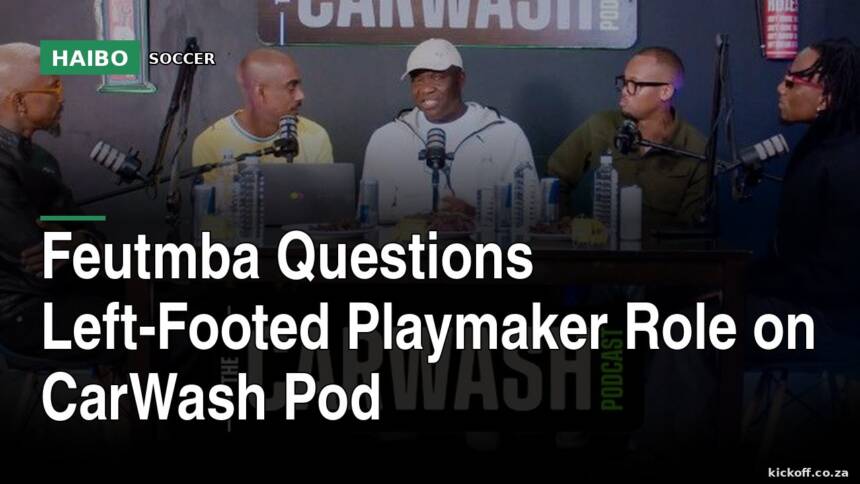
Honestly, I think the entire PSL has been running on a scouting superstition where one good left foot guarantees you a starting spot, but looking at how modern pressing works, I reckon that specific creative role might be officially on life support. But I could be wrong, and my timeline might actually drag me for this later. Mara, the timing of the conversation matters more than the headline. When former Cameroon international and Mamelodi Sundowns legend Roger Feutmba appeared on Episode 11 of The CarWash Podcast, he didn’t chase transfer gossip or reload familiar talking points. Instead, he forced a reckoning about our domestic game’s lingering love affair with left-sided creators.
You see, the discussion centred squarely on whether South African football is still clinging to an outdated recruitment template while continental tactics move toward more versatile, two-footed systems. Let’s be realistic, nobody just ignores the fact that contemporary midfield control demands equal distribution skills. If the industry keeps drafting coaching setups that treat a left boot like a golden ticket, they’re going to watch functional talent slip through the cracks because management refuses to evaluate what actually fits today’s defensive blocks. My take is that this isn’t about pure regional bias; it reads more like a comfort zone where decision-makers would rather bet on a familiar silhouette than adapt their data. Face card undefeated, that’s all I’ll say about the tactical pivot, but I’ll admit the framing made me sit up straight.
The Industry Comfort Zone
The CarWash Podcast has built a reputation for cutting through PR gloss, and Episode 11 delivered exactly that kind of blunt assessment. When a player with Feutmba’s experience steps up to critique a long-standing domestic habit, it usually signals that the gap between grassroots habits and elite expectations has widened too far to ignore. I’ve watched enough seasons cycle through to know that tactical fads come and go, but structural blind spots tend to linger until someone calls them out publicly. This feels like that necessary intervention. The conversation doesn’t demand we erase left-footed talent; it simply asks whether our training grounds and first-team benches are actually preparing players for the physical tempo of modern continental football, or if they’re still drilling for a version of the game that exists mainly in highlight reels. My bet is that clubs who adapt their recruitment criteria first will stop wasting budget on mismatched profiles.
It’s not clear whether this is a genuine strategic warning from Feutmba or just another layer of debate fuel for the football forums. Either way, the observation forces us to confront how much of our local scouting reports are written on autopilot. I’m siding with the everyday supporter who just wants a balanced engine room over a club that keeps chasing a romanticised archetype. The streets are saying the days of treating left-footed creativity as a magic bullet are numbered, even if the academy brochures haven’t caught up yet. And if you ask me, that’s a healthy correction for a league that loves its dramas more than its development metrics.
So here’s the actual question hanging over every dressing room and recruitment committee right now: do we finally retire the left-footed playmaker myth and demand positional versatility, or does our domestic scene double down on tradition until the table forces a harder reset?
Reporting compiled from Kickoff.co.za and Kickoff.com.
Vote in the Facebook comments — results and your best takes become tomorrow's article.