Gauteng Property Fraud: Matlala Spouse In Custody
The Timeline Just Picked Up
You see, Chillers, if we’re being completely honest about how these Mzansi property deals usually go down, I’m not even surprised the news cycle just caught fire. Mara, wait, hold up—let’s actually look at what landed before the speculation runs wild. My take is that when a R1 million transaction suddenly requires falsified paperwork to move forward, it reads less like a simple administrative error and more like a shortcut that someone assumed they could legally gloss over, though I could easily be wrong about the whole setup.
Court Dates And Conveyancing
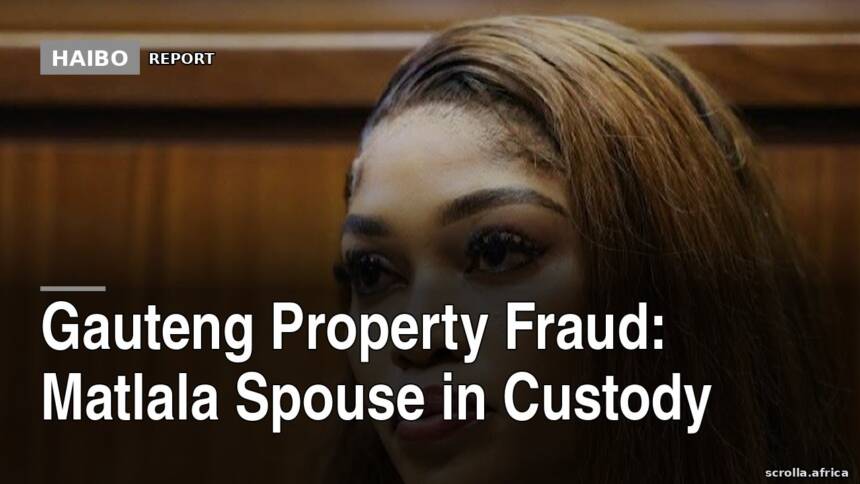
Here is the baseline, straight from the reporting. Tsakane Matlala, publicly recognised as the spouse of entertainment executive Cat Matlala, has been taken into custody by authorities in Gauteng. According to coverage from Scrolla Africa and IOL, she is allegedly facing fraud charges connected to a real estate acquisition that reportedly needed false documentation to proceed. She is scheduled to make a court appearance to address these allegations.
Red Tape Versus Fast Money
I honestly think the sharper issue here isn’t just who walked into police custody, but how the whole property game operates when big numbers get thrown around. Ordinary people know the grind of bond approvals, transfer duties, and endless compliance checks. Meanwhile, a reported R1 million asset play apparently moves so aggressively that paperwork gets manufactured along the way. If you ask me, that disconnect between how regular buyers navigate the system and how these high-value deals supposedly operate feels deeply frustrating for everyday South Africans just trying to secure a roof. The silence around the exact nature of the documents only amplifies the tension, because when the details stay vague, the streets naturally assume the worst about who benefits and who gets left holding the bag.
Due Process And Public Perception
I don’t understand why we keep reducing legal proceedings to tabloid punchlines instead of respecting the actual machinery. The courts will sort out the evidence, but I reckon the current situation makes it incredibly hard for the public to trust that large-scale transactions aren’t getting expedited through unverified channels. If the allegations about falsified documents hold water during the hearing, it’s not just a personal legal headache; it’s a credibility blow that undermines confidence in how assets are transferred across the province. I honestly believe that when wealth shields the process, the public loses faith in the entire framework, and that erosion happens faster than any press release can fix.
Where The Verdict Lands
I’ll say this plainly: until a magistrate delivers a ruling, everyone deserves the full benefit of due process. But I also think the broader pattern warrants scrutiny, especially when wealth seems to create a perception that standard verification steps are merely suggestions. The industry will quietly manage its PR, sponsors will circle cautiously, and the mainstream headlines will fade, but the daily reality is that ordinary folks still bear the brunt of systemic distrust when these stories break. I hope the final court outcome pushes for stricter transparency in high-stakes real estate without punishing legitimate buyers for the mistakes of others. Though, honestly, I might just be projecting my own frustration with bureaucratic bottlenecks onto this specific case.
Reporting compiled from Scrolla Africa and IOL.
Vote in the Facebook comments — results and your best takes become tomorrow's article.