Ghampani Lungu’s Late Strike Sends Pirates Through
You already know how the timeline reacts when we drag a cup match into overtime, but Chillers, let’s actually sit with what just happened at Orlando Amstel Arena. The streets are saying this quarter-final stage operates less like a sporting contest and more like a sponsorship endurance test, and honestly, if you ask me, I buy it. But I could be wrong.
Extra Time Is Just Another Word For Commercial Strategy
When you strip away the broadcast graphics and the stadium PA announcements, you are left with the initial phase of play followed by extended periods of pure mental exhaustion. That is not my opinion; that is just how the clock works when you force a knockout round to stretch beyond regulation. And yet, here we are again, watching players chase shadows until their legs finally give out.
Durban City showed up looking sharp, but then they were reduced to ten men. Yoh, when a squad loses a player mid-tournament, the tactical balance shifts instantly, and suddenly the heavier favorites start breathing down their necks. Pirates didn’t necessarily dominate the opening half, but they waited. They always wait. It reads like patience, but I reckon it’s just the reality of having deeper benches than the smaller sides.
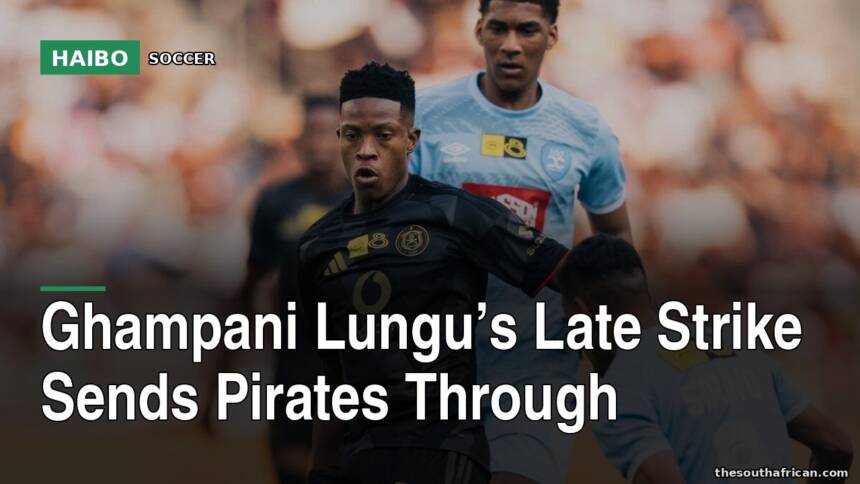
Then came the moment that actually broke the dam. In the final minute of extra time, Ghampani Lungu struck. A decisive goal that silenced the tension and sent the Amstel faithful wild. That is not a poetic description; that is simply what the match officials recorded. A 2-1 result separates us from going home empty-handed, and it arrived when everyone else was too tired to run.
The Verdict On The Process
Let’s be realistic. Nobody signs up for extended chaotic play hoping for clean football. But if you look at who benefits from these stretched-out fixtures, it is never the average supporter buying a ticket under the afternoon heat. The schedule clearly favors the clubs with the medical staff and the rotation depth to survive the grind. I judge any setup that treats fan fatigue as a secondary concern after television ratings.
The broadcasters love the drama, and the sponsors get their guaranteed airtime, but the players are just trying to finish a fixture without picking up new injuries. We keep applauding the heroics in overtime while ignoring the machine that manufactures them. Pirates keep their title defense alive, and I will celebrate that. Keeping your crown requires surviving the ugliest rounds first. But we cannot pretend the format itself is fair to the underdogs thrown into the deep end. If a team goes down to ten men, they should have a fighting chance without waiting for a substitute to find their rhythm in overtime. That reads as structural, not tactical.
What Comes Next
The semifinal draw is where the real pressure mounts. Can a squad carry momentum built on exhaustion into another high-stakes clash? My bet is that physical toll will dictate the next outcome faster than tactical brilliance. We will see whether survival is enough to win a trophy, or if the tournament demands something sharper from the very beginning.
Tell me where you stand, because the timeline won’t stop buzzing about this one. Should cup competitions keep the extra-time format to protect broadcast windows, or do we need to return to simpler knockout rules that reward efficiency over endurance? Vote below and settle this debate.
Reporting sourced from The South African and SABC Sport.
Vote in the Facebook comments — results and your best takes become tomorrow's article.