Malusi Mbokazi’s 10-Year Solo Journey Hits Durban Stage
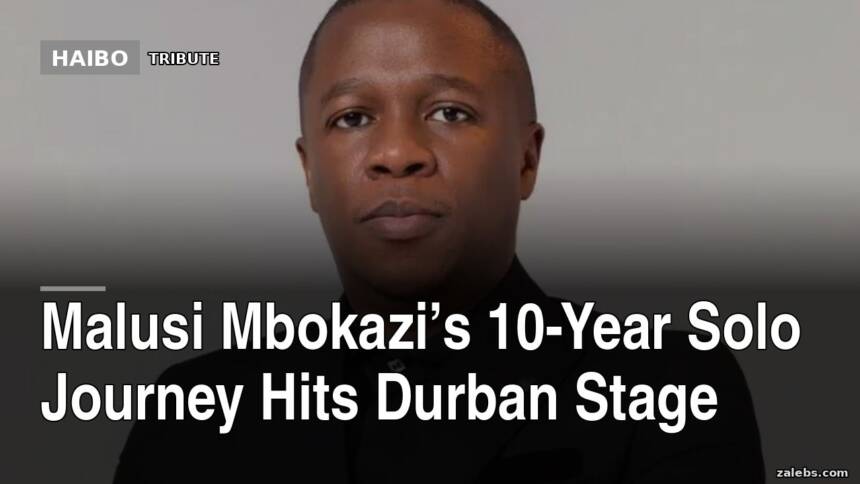
Mara, drop your plates for a second, Chillers, because we are already unpacking how long the industry waited before letting a gospel vocalist finally throw his own party. I think it’s wild that it took a full decade for an artist who literally wrote the soundtrack to our recovery to get a dedicated live recording show, honestly, and here’s why — but I could be wrong, maybe the timeline just moved too fast for us to notice.
The Decade Long Detour
Malusi Mbokazi is finally stepping out with his debut live recording concert, billed as The Revival with Malusi Mbokazi, and it’s hitting the Durban ICC on September 5. This isn’t just another weekend gig; it’s marking exactly 10 years since he began working as a solo musician. The event is reportedly going to reflect on significant moments from his career journey, which started in a group before moving to solo work that he describes as healing.
That single word — healing — does a lot of heavy lifting. It usually means a lot of late-night studio sessions, a whole lot of rejected demos, and a handful of industry doors that refused to open. When an artist pivots from a group format to carving out their own lane, they aren’t just changing their billing; they’re rewriting the contract with themselves. And frankly, that takes guts. You tell the story behind the music, and suddenly the whole room feels different.
Why The Gatekeepers Should Step Up
The music machine loves to package gospel artists as walking jukeboxes rather than headline acts. You hand them a microphone, you roll out the backing tracks, and you clock out right before the real work begins. But when an artist decides to host their own debut live recording concert? That’s a direct call-out to the system that prefers to keep things quiet and controlled. If you ask me, this reads less like a standard tour stop and more like a reclamation project. He’s taking 10 years of group dynamics and solo survival, and packaging it into one night where the audience actually gets to witness the process.
I reckon the sponsors will either finally understand that gospel fans don’t need a corporate buzzword to fill seats, or they’ll sit back and watch the tickets sell out anyway. Nobody respects a quiet comeback more than the people who lived through the struggle with the artist. Whether this concert becomes a yearly staple or a one-off celebration still depends on how seriously the promoters take the request for proper staging, but the foundation is already set.
The Final Word
So what happens when the healer finally turns the mic on himself? The streets are saying it’s time to stop treating gospel concerts like charity drives and start booking them like major commercial releases. My bet is the crowd brings the energy that even the biggest corporate festivals can’t manufacture, because faith-based performances run on genuine connection, not marketing budgets.
Do you see this as a necessary step toward gospel artists getting mainstream respect, or just a well-timed milestone event that won’t change how the industry books these shows?
Reporting based on coverage from TimesLive and Zalebs.
Vote in the Facebook comments — results and your best takes become tomorrow's article.