Moloto Flags Chiefs Speed Weakness As Polokwane Secure Draw
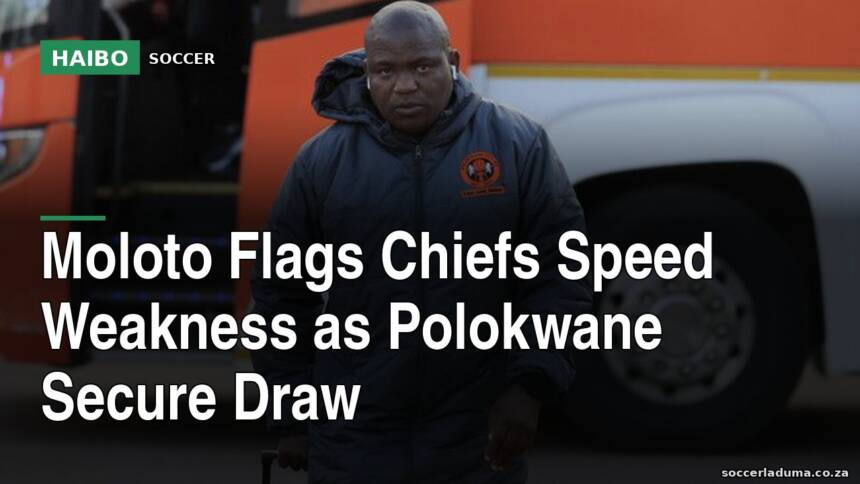
Jump straight into the conversation, Chillers, because we were already debating whether coaches should protect their players or put them on blast, and Willy Moloto just chose the route most wouldn’t dare to take.
Nah, but listen. Moloto pointed out that his Polokwane City players made poor choices in the opening half against Kaizer Chiefs, and yet he stopped right there instead of blaming the squad for the result. My take is that he’s drawing a line between effort and execution, implying the heart was there even if the decisions weren’t, though I could be wrong about his exact motivation.
Is Honesty The Best Policy When Facing Giants?
You see, the instinct in our industry is usually to wave off mistakes and praise the fight, but Moloto flagged the errors openly while refusing to let his players carry the full weight of the blame. I reckon this reads as a leader building trust by owning the shared responsibility, which is a move that either strengthens the locker room or signals that the tactical flaws are already known and being addressed.
Most fans scrolling through their feeds just want the highlight reel, but the real story often hides in the details Moloto is willing to discuss. He’s giving us access to the mindset, which is something sponsors and mainstream media rarely allow. By calling out the poor choices without condemning the boys, he’s showing that accountability can coexist with support, a balance many of us struggle to find in our own lives. Mara, that’s a lesson worth sitting with beyond the pitch.
Can Pressure Keep Chiefs Honest?
Face card for face card, he also identified a specific vulnerability in the Chiefs setup—their lack of speed—and linked that observation directly to how his team managed the game. If you ask me, spotting a gap and exploiting it is the definition of smart coaching, especially when the opponent might be resting on reputation rather than running to match the tempo.
When a coach calls out a lack of speed, it’s not just a stat; it’s a challenge to the physical commitment expected at this level. I judge anyone who thinks talent alone keeps you competitive in the PSL, because clearly, the gap in pace was enough to shift the momentum and give Polokwane the confidence to push forward. If the result stands, it proves that preparation meets opportunity, and that’s a flex no amount of PR can replicate.
We live in a culture where a draw can feel like a loss for the underdog, but Moloto framing this as a successful adjustment changes the narrative entirely. It suggests that taking points from Chiefs is about more than just surviving; it’s about proving you can outthink the bigger name when the conditions favour you. That’s the kind of football the community roots for, even if the scoreboard doesn’t scream victory.
So, the verdict sits heavy on the table: Polokwane showed resilience and vision, while Chiefs walked away with a warning shot about their pace. I think the industry will debate whether this is a breakthrough or just a lucky escape, but my view is that consistency wins leagues, not isolated flashes of brilliance. If Polokwane can turn this into a pattern, they’ve earned serious respect. If Chiefs ignore the speed talk, they’re just delaying the inevitable. The ball is in the court of both camps now, and we’re all waiting to see who blinks first.
Vote in the Facebook comments — results and your best takes become tomorrow's article.