Nigel Owens Questions World Rugby Rules After All Blacks’ Soweto Defeat
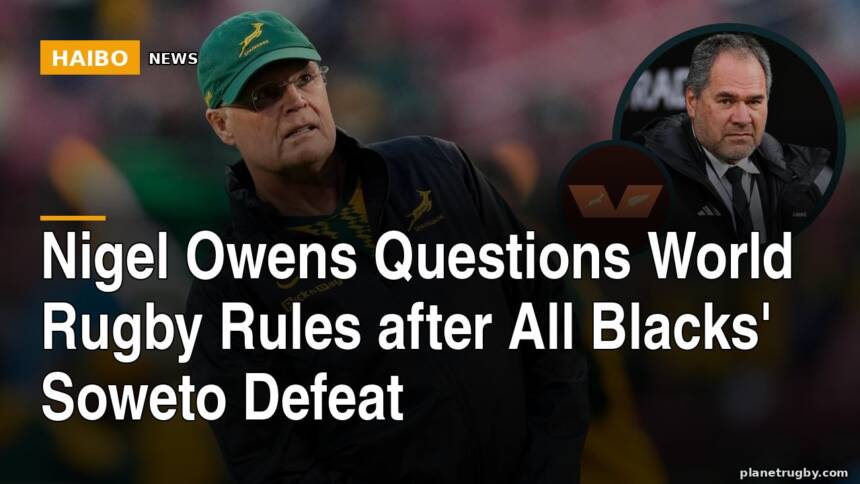
Wait, wait, wait — you’re telling me the All Blacks actually picked up 2 defeats in the series against the Springboks in Soweto, and now we have to sit here and pretend the referees weren’t part of the chaos? Nah, but listen, Chillers. The sports desks love to spin these results as ‘momentum shifts’ or ‘tactical masterclasses,’ but honestly? When the whistle blows and the scores don’t add up, someone has to speak truth to power. And luckily, former referee Nigel Owens decided to step out of the shadows to remind us all that the world is not perfect.
The Industry Spin vs. The Whistle Reality
Let’s take a bold look at this: the new World Rugby officiating rules are supposedly designed to clean up the game, but if you ask me, they’re actively creating a headache for everyone involved. You see, the frustration felt by Dave Rennie and South Africa’s Rassie Erasmus is apparently justified, allegedly according to reports from planetrugby.com. Owens publicly disagreed with the changes, and honestly? I support that. It reads to me like the powers that be tried to fix a broken watch with a hammer, and now the gears are grinding everywhere except where they should be.
I could be wrong, maybe I’m just biased because I’ve yelled at my TV more times than I care to admit during tight matches, but this feels bigger than one bad call. The streets are saying the officials are running around like headless chickens trying to apply changes that don’t make sense on the ground. Mara, when the governance is shouting instructions louder than the crowd, you know the communication has failed.
Rennie’s Call-Out and the Cost of Confusion
Now, Dave Rennie isn’t sitting quietly either. He highlighted a specific costly error as the decisive factor in the loss, allegedly based on coverage from briefly.co.za. Every coach does this after a loss, right? Blame the bounce, blame the tea lady? But when a legend like Owens backs up the sentiment that the rules are the problem, it forces us to question whether the error was human or systemic. My take is that blaming the error feels like a desperate attempt to save face if the underlying framework is as messy as Owens suggests. The game needs honesty, not deflection.
The numbers don’t lie. 2 defeats for the All Blacks in the series. 2! That’s not a glitch; that’s a signal. The Boks are dominating on home soil, and the visitors are stumbling over themselves. It seems the industry prefers to sell us narratives about ‘gritty comebacks’ and ‘fierce competition,’ but my bet is the reality is starker. The gap is widening, and the officials are stuck in the middle trying to police a game that keeps changing its own mind.
Side With the Fans, Not the Rulebook
We side with the fans here. The average supporter just wants to watch a contest where the rules make sense and the whistle holds steady. We don’t need corporate gloss-over; we need fairness. If the sponsors and mainstream media were half as worried about the integrity of the officiating as they are about their ad slots, maybe the game wouldn’t feel so disjointed. The frustration on the touchline is real, and Nigel Owens giving it a platform shows that even the experts are raising their hands in disbelief.
Face card for face card to the Springboks for handling the pressure, but let’s be clear: this isn’t just about one team winning. It’s about the state of the sport. When the top coaches are openly frustrated and the former refs are publicly criticizing the governance, you know something is rotting in the setup. To me, the players are caught in the crossfire, forced to adapt to changes that haven’t been properly tested. That sounds like a mess, and frankly, it’s exhausting for everyone watching.
So, where does this leave us? Rennie points the finger, Owens questions the rulebook, and the Springboks hold the upper hand in Soweto. It looks to me like the All Blacks need to regroup fast, because relying on controversial calls won’t win championships. Bring them all, dog, but please, just fix the rules first.
Vote in the Facebook comments — results and your best takes become tomorrow's article.