NPA Lets Malema Defamation Case Proceed: What Happens Next?
Jump straight into the middle of the chat, Chillers, because the timeline is already running on fumes after the NPA dropped this ruling. Nah, but listen — we are witnessing yet another chapter where high-level words get weighed on a digital scale, and honestly, my first thought was that the whole machine just swallowed another headline before anyone even finished reading the full docket. But I could be wrong, and maybe I’m just tired of watching the same script play out with different names. You see, when the prosecuting authority decides to let a criminal defamation case march forward, it’s never just about two parties shaking hands over paperwork. It’s about who gets to draw the line between loud rhetoric and legal trouble, and frankly, the streets are saying the threshold keeps moving like it’s playing hide-and-seek.
What actually landed on the desk?
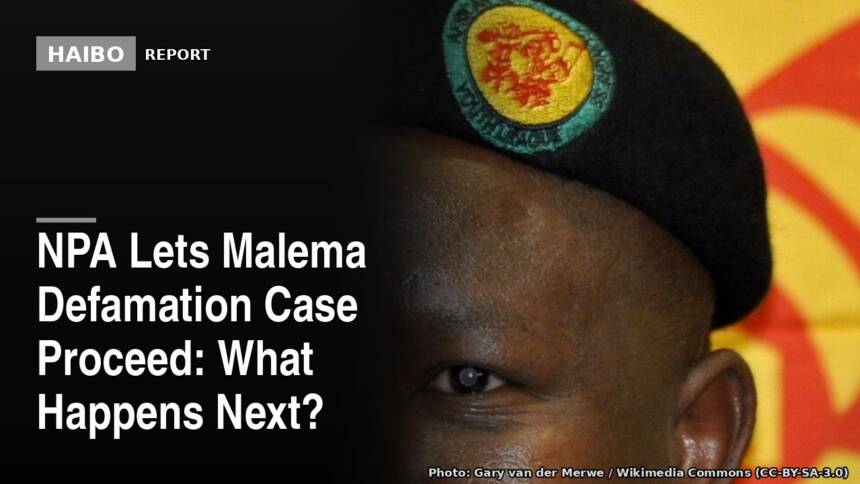
Wait, wait, wait — let’s actually look at what triggered this before we start guessing motives. According to reports from Joburg ET and IOL, the NPA has decided to allow a criminal defamation case to move forward against Julius Malema. This isn’t some casual back-and-forth on social media; it stems directly from a formal complaint lodged by AfriForum regarding his reference to Jaco Pieterse as an alleged child rapist in connection with the Cwecwe matter. Now, if you ask me, the moment someone uses that kind of label publicly, we’re no longer in the realm of political banter. We’re standing at the edge of a courtroom, and the NPA just handed us the map. I don’t understand why we pretend these thresholds are easy to navigate when the words themselves carry that much weight. The allegation itself is being processed through the proper channels, and that matters more than the noise.
Who really controls the narrative?
Let’s be realistic, though. When the legal system steps in to process statements made by public figures, it automatically turns everyday conversations into archived evidence. And here’s my take: I think we’ve all watched the mainstream media turn serious legal proceedings into click-heavy cycles long before they hit the newsstands. My bet is the coverage will focus on the political fallout rather than the actual legal standards that determine what crosses into criminal defamation. That reads as a system protecting its own pacing, honestly, and it leaves ordinary people wondering whether the law applies evenly or just strategically. Mara, we don’t judge here, but we also can’t ignore how quickly a single phrase can trigger a multi-year legal marathon.
The verdict on the process
Face card for face card, the NPA’s decision does exactly what it’s supposed to do: it filters complaints through established legal frameworks instead of letting online outrage dictate outcomes. But I reckon the real test isn’t whether the case moves forward. It’s whether the public finally stops treating legal processes like reality TV seasons. If you ask me, holding space for due process means accepting that investigations take time, receipts take shape, and courtroom timelines rarely match our scroll speed. That’s fine, even when it frustrates everyone waiting for a quick verdict. The industry loves a fast resolution, but justice doesn’t work on a notification schedule.
So here’s where we leave the table: should high-profile defamation claims like this be fast-tracked through specialized courts, or do we trust the standard criminal process to run its full course without interference? Vote below and tell us which side of the fence you’re standing on.
Vote in the Facebook comments — results and your best takes become tomorrow's article.