Pirates Fans Collect Cash for Nigerian Supporter: Solidarity Over Noise?
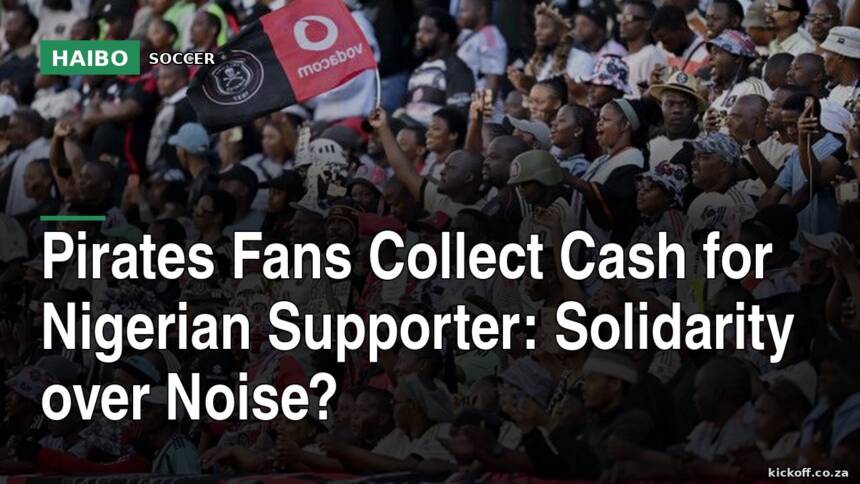
Let’s be realistic, my friend — when was the last time the group chat wasn’t fighting over transfers, contracts, or some drama that sponsors cooked up? Eish, sometimes you just need to scroll past the noise and remember that football is still played by people who understand community.
Jump straight into the heat: If you ask me, Orlando Pirates supporters stepping up to collect money to assist a Nigerian fan is the only flex that matters right now, and here’s why. It cuts through the clutter. We’ve been trained to expect every gesture to come with a logo, a contract clause, or a hashtag strategy, but when ordinary supporters decide to handle business among themselves, that reads to me like the real heartbeat of the game. Honestly, it makes the rest of the industry chatter feel a bit hollow by comparison. But I could be wrong; maybe we’re just romanticizing a simple transfer of cash because we’re starved for anything that doesn’t end in a court case.
What Does the Silence Tell Us?
You see, the streets are saying this is happening, and the report from Kickoff confirms that Pirates supporters have rallied to gather funds for a supporter hailing from Nigeria. There’s no mention of a manager waving from the sideline, no pressure from a kit supplier, and certainly no leaked voice notes trying to score points. Just fans acting like fans. And while the mainstream media might eventually try to package this as a ‘heartwarming human interest segment’ to soften the blow of another weekend fixture, the truth is this started before the cameras were even pointed.
I judge brands that wait for a crisis to show empathy, and this situation highlights exactly what that looks like. The supporters didn’t wait for permission. They saw a fellow fan in need — a Nigerian brother far from home, presumably — and they opened their pockets. Face card for face card to the organizers who made the call. That takes initiative, and it takes trust. In an environment where we constantly dissect loyalty based on transfer fees and Instagram stories, watching a crowd prioritize helping a stranger over scoring a viral moment is a necessary reset.
The Case for Privacy
Wait, wait, wait — let’s address the silence in the details, because that’s where the conversation shifts. The reports don’t specify the amount collected, nor do they detail the exact circumstances of the assistance. Some might argue that’s sloppy reporting, leaving us guessing about the scale of the effort. My bet is that the vagueness is actually a feature, not a bug. When you deal with personal assistance, keeping the specifics private protects the dignity of the recipient and the privacy of the donors. It stops the whole thing from becoming a leaderboard for who gave the most. If you ask me, that restraint shows more maturity than any public ledger ever could.
Let’s be clear about the stakes here. This isn’t about the club’s commercial model; it’s about the social fabric of the terraces. When fans organize independently, they prove that the culture belongs to them, not to the entities selling the tickets. It’s a reminder that the ‘industry’ relies on people like these supporters to keep the spirit alive, even if the official channels are too busy chasing metrics. Mara, it’s easy to get cynical about modern football, but moments like this demand we recalibrate. We can criticize the decisions of the powers that be all we want, but we can also celebrate when the grassroots steps up without asking for a sponsorship deal.
The mention of a Nigerian supporter adds weight to the narrative. Mzansi football shares deep roots across the continent, and seeing local Bucs fans rally for a Nigerian brother underscores how borders dissolve inside the stadium walls. It’s not just about geography; it’s about recognizing shared passion. That cultural bridge is worth more than any merchandise drop. There’s also the dynamic of support versus expectation. Usually, when a foreign element arrives, the scrutiny is intense. Here, the scrutiny is absent, and the support is immediate. It flips the script. Instead of asking what the fan can do for the club, the focus is purely on what the club’s community can do for the fan. That role reversal is refreshing. It suggests that belonging in Mzansi football isn’t earned through nationality or status; it’s earned through showing up. And in this case, showing up meant pooling resources to assist a fellow supporter.
So, here’s the verdict on the vibe: This is the stuff that builds legacy long after the scoreboards fade. It’s solidarity without the overhead. And yes, I’m taking the hit for calling out the performative nature of modern PR, because comparing organic fan generosity to manufactured goodwill campaigns is a diagnosis I stand by. That doesn’t sound like a PR stunt; if you ask me, that sounds like community survival instincts kicking in.
The conversation now lands on our shoulders. We watch how these things play out in the wider ecosystem. Do we let these gestures remain quiet acts of kindness, or do we push for structures that acknowledge them? Drop your thoughts below, because the comments are going to split on this one, and I want to hear which side wins.
Vote in the Facebook comments — results and your best takes become tomorrow's article.