Why The Panel Warns Artists Against Political Rallies
You already know the usual playbook, but someone on this episode just flipped the entire script on how political campaigns actually work in Mzansi. The conversation lands hard on why local entertainers should stay completely away from rally stages, arguing that crossing that line doesn’t just hurt careers, it literally costs lives.
The Fatal Gamble Of Rally Posters
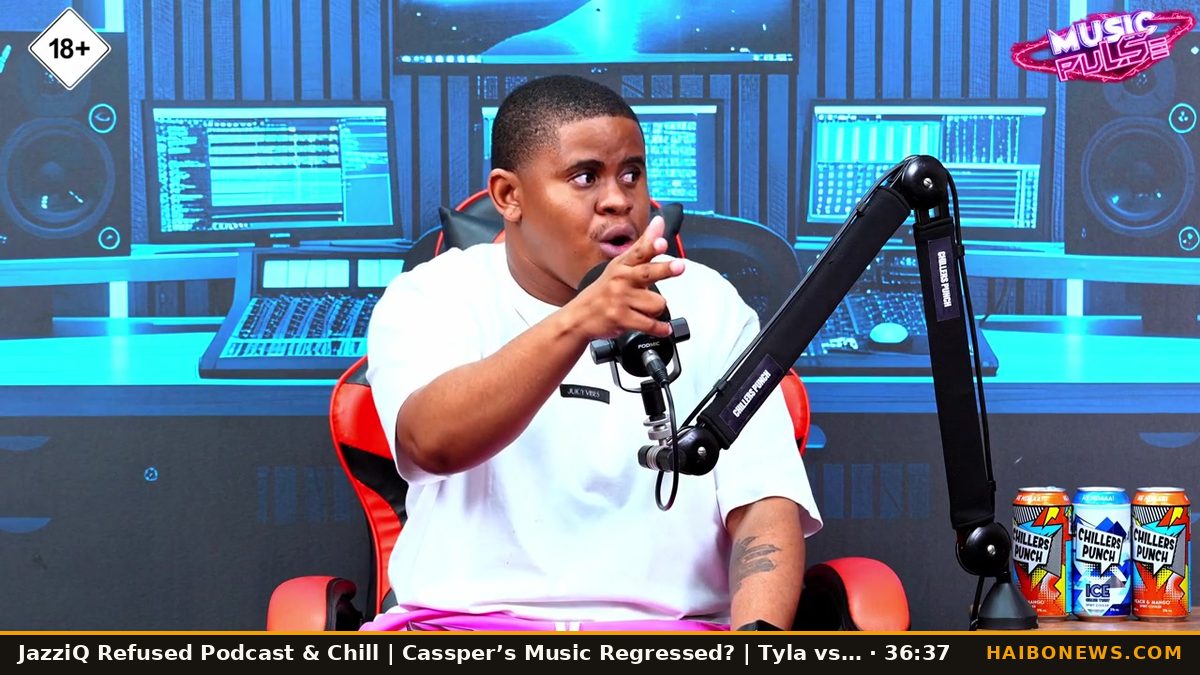
According to the panel, stepping onto a political platform isn’t just risky, it’s a guaranteed death sentence. One speaker tells the room that multiple artists who performed at rallies wearing party regalia ended up dead, claiming that entering that arena means you are asking to get killed. The speaker lays out a blunt survival rule from the studio: make music, treat it as an escape, and never enter a political space where public accountability catches up with every broken law.
“They’re voted into prominence by the response to their art.”
The episode breaks down the mechanics behind packed political events, insisting that massive crowds do not spontaneously gather to listen to speeches for two hours straight. Instead, the speaker argues that stadium capacity relies entirely on entertainment posters and influencer pull. When the discussion turns to major gatherings like the EFF’s Union Buildings march or FNB stadium events, the room reckons Julius Malma’s name alone drew the masses. The panel insists that if those cultural heavyweights weren’t on the lineup, the same venues would have been empty chairs and echoing megaphones.
Standing Over The Party Hierarchy
Then comes a sharper cut about respect and institutional control. The episode highlights how political leaders actively manage artist visibility to maintain dominance. The conversation points to moments like Makazi showing up to Sir Rama and immediately bowing down, framing it as proof that the entertainment industry knows its place under political leadership. The panel insists that politicians understand exactly how much drawing power artists hold, which is why they deliberately position themselves above the talent on stage.
“When Makazi comes to Sir Rama, she bows down as if she can’t fill up a stadium on her own without him.”
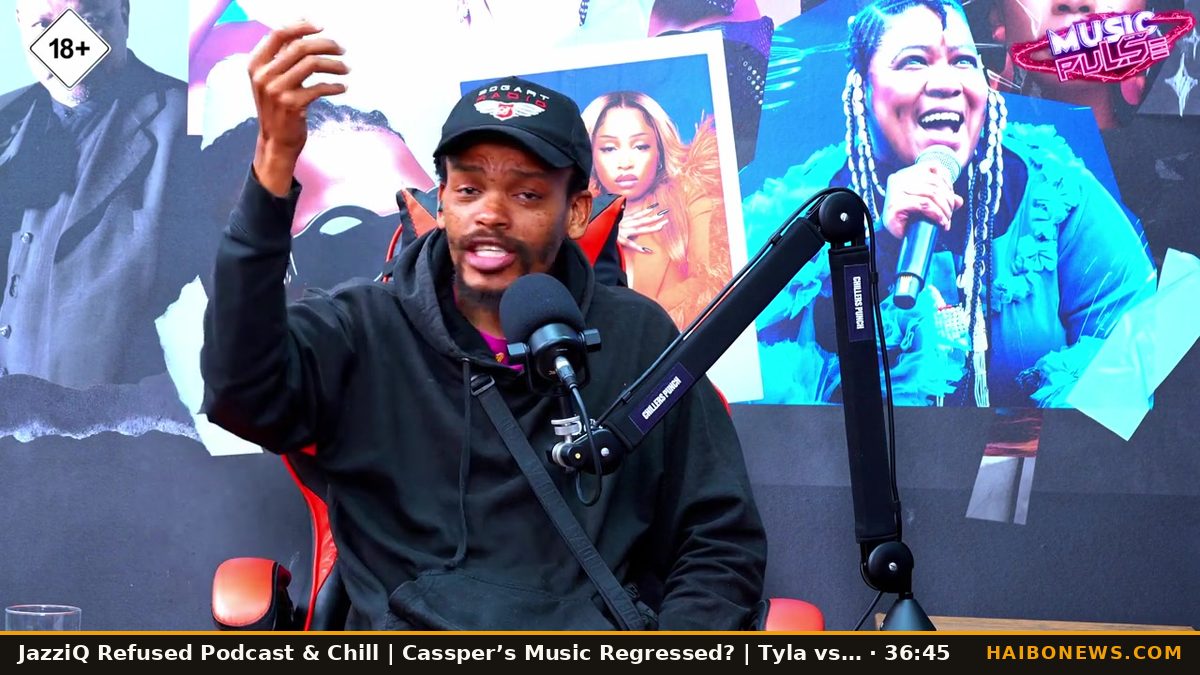
This argument extends beyond stage positioning. Someone in the room expands the theory to radio personalities and digital content creators, noting that political machines treat all cultural gatekeepers as tactical tools. The speaker explains that within just five years, every single major rally featured prominent entertainers on the official bill, proving that organizers rely on fame to mobilize voters. The blunt takeaway dropped in that studio segment is that modern campaigning operates as a calculated game aimed at shaping the minds of poorer communities, using cultural influence as bait to secure compliance and attendance.
If you ask me, this reads less like casual banter and more like an uncomfortable mirror held up to our entire entertainment ecosystem. We constantly celebrate sold-out stadium tours and viral protest anthems, but we rarely pause to ask who is actually booking the seats and who is collecting the credit. The episode suggests that cultural influence is heavily taxed the moment it crosses into policy territory, and honestly, I’d rather hear my favorite tracks than watch my heroes get dragged into electoral chess games.
So, Chillers, does drawing a massive crowd automatically hand over your creative independence to political bosses, or is leveraging cultural fame for political causes simply how the industry survives?
Source: JazziQ Refused Podcast & Chill | Cassper’s Music Regressed? | Tyla vs Nigeria | Penny Lebyane — Podcast and Chill Network. The link opens at the moment quoted. Quotes are from the episode’s automatic transcript.
Vote in the Facebook comments — results and your best takes become tomorrow's article.