Pirates’ Slow Start Strategy: Calculated Risk Or Lazy Football?
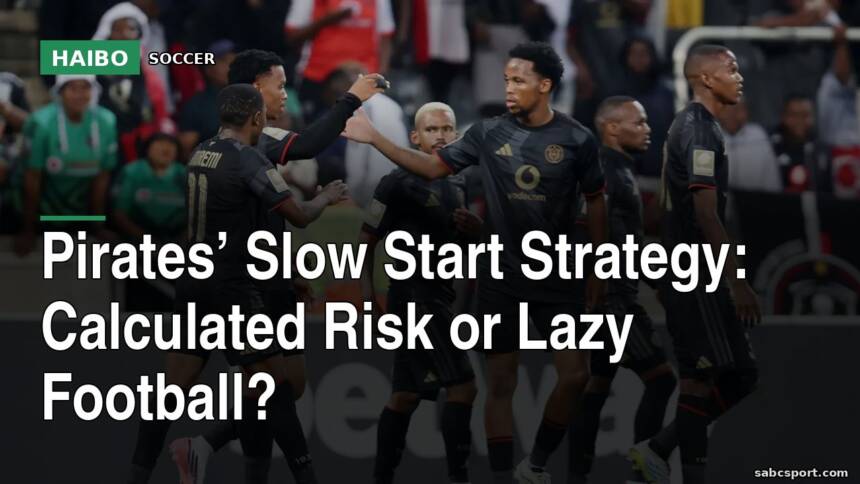
Is A Slow Start Actually Just Smart Management?
You see, the timeline loves to frame a slow start like it’s a full-blown crisis, but honestly, I could be completely wrong because sometimes a squad just prefers to walk before they sprint. Drop your rempe for a second, Chillers, because we need to sort out why we keep treating a hesitant opening period like it’s a tactical emergency. My take is blunt: that ‘sluggish first half’ narrative is usually just the broadcasting industry’s favourite cushion for teams that refuse to chase viral pressing trends. Broadcasters profit from panic, and clubs play along because the ratings stay steady.
Why The Scoring Math Actually Makes Sense
Orlando Pirates recently navigated a Betway Premiership fixture that started with noticeable hesitation and finished with a heavy 4-0 victory over Kruger United, according to SABC Sport. You tell the story — how many sides would comfortably sit on a two-goal buffer and still refuse to drop points? That unbeaten run reads to me like deliberate resource management rather than accidental fortune. The streets are saying the board finally stopped trying to force a high-intensity style that never fit the existing personnel, and honestly, that makes logical sense. Protecting a clean sheet record requires patience, not reckless chasing.
The Real Verdict On This Season’s Approach
Then comes the new signing situation, which has everyone immediately reaching for the familiar transfer committee blame game. Mara, put the phone down for a minute and look at the actual output on the grass. Ghampani Lungu has appeared in 7 matches this season and scored 4 goals, as reported by The South African. I don’t understand why analysts keep demanding instant tactical harmony when raw finishing speaks for itself. That kind of conversion rate suggests careful recruitment, not a desperate market scramble. When a club identifies a player who can convert chances efficiently, sticking with the system is the only professional move.
The mainstream coverage usually wants us to believe top-flight football is a constant montage of heroic recoveries and ninety-minute saviours, but if you ask me, that’s just a corporate script designed to keep engagement metrics artificially high. Ordinary supporters simply want to watch a club that protects its reputation without needing a manufactured dramatic arc. Pirates clearly understand that safeguarding an unbeaten record isn’t about adrenaline spikes; it’s about structural control. Sponsors love stability, and fans deserve a product that doesn’t rely on last-minute miracles to feel exciting.
Face card for face card, the approach is functioning even when the tempo drags. My bet is the administration will keep backing this measured style because sustainable consistency pays better than viral chaos. Keeping a perfect run alive sounds exhausting on paper, but watching the matchday footage reveals a side that trusts its defensive shape. That kind of cohesion doesn’t happen by accident, and it certainly doesn’t happen when managers constantly rotate tactics to please press conferences. The data shows a team operating exactly how it should, Chillers, and we shouldn’t punish a winning formula just because it lacks flashy highlights.
Vote in the Facebook comments — results and your best takes become tomorrow's article.