Proteas Women’s Quiet T20 Breakthrough In Bulawayo
Jump straight into the WhatsApp group, Chillers, because if we’re already pretending the Proteas women didn’t just quietly rewrite Mzansi cricket history, we’re lying to ourselves. Nah, but listen. Mainstream sports desks treated this Zimbabwe trip like a minor footnote, and honestly, I think that’s exactly why these athletes had to leave everything on the pitch just to secure a decent headline. Or maybe I’m just tired of watching the industry sleepwalk while talent does the heavy lifting.
The Quiet Grind Behind The History
We’re talking about a historic first T20 series against Zimbabwe, and let’s be clear: five straight matches at Queen’s Sports Club in Bulawayo isn’t a holiday campaign. It’s a physical test. A full 15-player squad rolled out under captain Laura Wolvaardt, and that roster wasn’t built on nostalgia. Three brand-new faces joined the flight, including quick-fire fast bowler Caitlin Wyngaard. Throwing rookies into a five-match gauntlet requires nerves most seasoned veterans still haven’t developed.
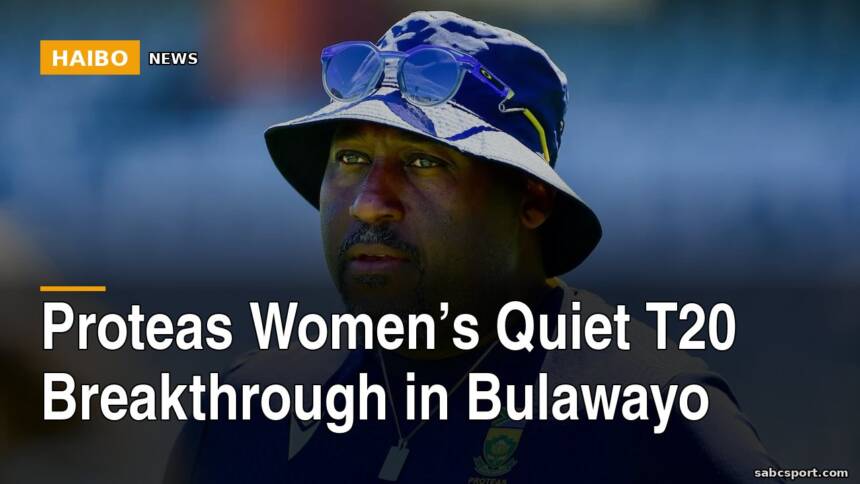
Head coach Mandla Mashimbyi wrapped up the tour saying he was simply pleased the team ticked every box on their checklist. When the manager speaks that calmly after a debut run, some suspect that the real tactical drilling happened behind closed doors, long before the cameras started rolling. It’s possible that the quiet confidence came from weeks of unseen reps, but I could easily be projecting my own obsession with the prep phase onto a standard press briefing. Either way, ticking goals doesn’t happen by accident. You don’t win consistency by hoping for good luck; you grind for it in empty nets and late-night video sessions.
Why The Timeline Missed The Signal
Here’s where the rubber meets the road for our local sports coverage. We get so caught up chasing transfer rumours and stadium politics that we forget cricket actually runs on rotation, patience, and squad depth. Fifteen girls traveling together, sharing hotel rooms, navigating unfamiliar bounce, and executing plans for five consecutive days? That’s an industrial-level operation disguised as a weekend fixture.
If you ask me, treating this kind of developmental tour like a charity outing is a lazy habit we need to drop. The industry loves to celebrate the milestone once, slap a golden jersey on a billboard, and then pivot to the next flashy football signing three days later. But sustainable sport isn’t built on viral posters. It’s built on keeping 15 players hungry enough to return for round two. Mara, we’ve seen how quickly hype evaporates when the algorithm stops pushing your face. Real longevity happens when the camp culture stays tighter than the headlines ever get.
What Happens When The Noise Fades
Now that the bags are packed and the stats are logged, the real question lands on our local sporting ecosystem. Do we suddenly flood the market with broadcast contracts, or do we keep waiting until the crowd naturally fills the stands? The facilities in Bulawayo hosted everyone equally, and the pitch conditions demanded respect from day one. There’s no secret sauce here, just disciplined execution across a full slate.
I judge programmes that treat youth integration like a PR checkbox, and this read feels different. Bringing in three fresh legs alongside established leaders shows a coaching staff willing to trade comfort for ceiling. Whether the boardroom follows through with proper logistics next year remains the only real test. Until then, we’ll just watch the tape and see if the hunger translates across borders.
Drop your take below, Chillers: should the cricket board lock in permanent domestic training hubs right now, or keep sending development squads overseas to force rapid growth?
Vote in the Facebook comments — results and your best takes become tomorrow's article.