Rassie’s Swearing Rant Sparks Strachan Debate
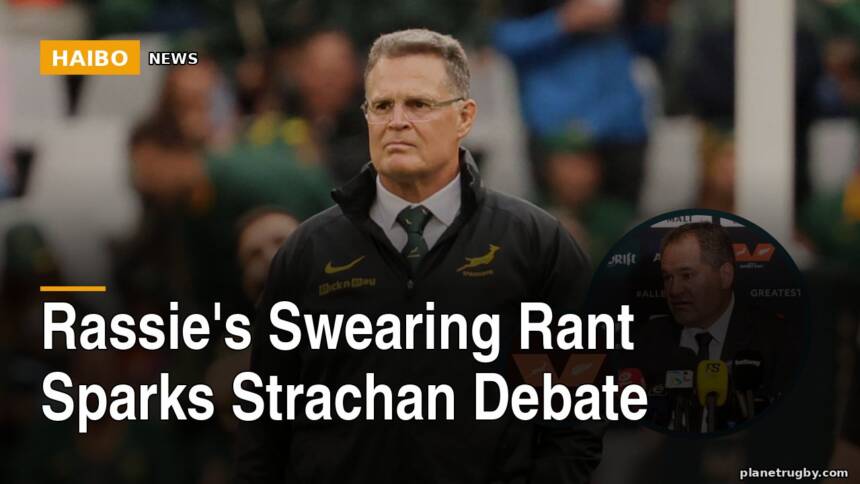
Mara, drop everything because your feed is probably blowing up over what Rassie Erasmus did next. After the second match of the South Africa–New Zealand series, the Springboks coach swore in a media appearance, and the reaction wasn’t what you’d expect. Instead of hiding behind PR speak, former All Black Ant Strachan called out Erasmus for crossing accepted boundaries, though he admitted the coach protects his players and earns their full loyalty. Honestly? If you ask me, Strachan is highlighting a toxic culture where swearing is treated like a crime while the actual work gets ignored, but I could be wrong and maybe Strachan is just calling for accountability.
Boundaries, Loyalty, and the Industry Mask
Let’s break this down. Strachan didn’t just trash the coach; he gave a two-sided verdict that reads to me like real respect mixed with concern. On one hand, he claims Erasmus does things that aren’t acceptable, which points to behavior we’ve seen plenty of times from high-pressure figures. On the other hand, he acknowledges Erasmus protects his players and earns their full loyalty, which seems to suggest the bond inside the camp is stronger than any post-match rant. You see, my opinion is that this duality is exactly why the fans stay loyal, even when the coaching staff makes questionable public choices.
Honest, we live in an era where sponsors want coaches to sound like they read from a teleprompter, not like humans dealing with the stress of international rugby. When Erasmus swore after the second match, it broke the polished veneer the mainstream media usually curates, and that’s why the reaction got loud. I think the industry prefers a robot coach who can handle a camera, but the streets know that emotion drives performance. Strachan calling out the boundaries might seem harsh to some, but if you ask me, it’s a wake-up call that even legends have limits, and ignoring those limits only sets the coach up for more scrutiny later.
You see, the dynamic Strachan described—crossing boundaries yet earning total loyalty—is something we rarely get to hear so openly. In Mzansi, we value protection and loyalty above almost everything else. When a coach stands between his players and the world, that builds a fortress. My take is that this loyalty is the real asset, and no amount of swearing changes the fact that the squad trusts him. However, I could be romanticizing the situation, and maybe allowing boundary-crosses erodes that trust slowly over time. Either way, to me, the acknowledgment of his protective nature keeps the conversation grounded in respect rather than just cancel culture.
The Willemse Blow and Timing Test
Then came the news about Damian Willemse. Rassie announced that Willemse is injured and will not play in the upcoming third Test. This is a significant loss for South Africa and creates a complication for selection that nobody saw coming. If you ask me, announcing a star player’s absence alongside a controversy over swearing feels like the universe trying to keep the narrative busy. We get a coach who swears and a team missing a key asset, and suddenly the focus shifts from tactical analysis to managing damage. That reads to me as a rough week for the management team, and I reckon the pressure is going to pile on fast.
Then there’s the blow regarding Damian Willemse. Rassie confirmed the injury and ruled Willemse out of the third Test, which instantly raises the stakes for the remaining matches. Losing a player of Willemse’s caliber complicates selection and forces tactical adjustments that nobody asked for. If you look at the timing, to me, this combination of public friction and private injury feels like bad luck testing the management’s resolve. I reckon this combo is going to test the nerves of everyone involved, and my bet is the focus shifts entirely to survival mode for the rest of the series.
We don’t judge here, we just analyze the moves. Strachan challenged the behavior but praised the heart. Erasmus showed vulnerability through emotion and delivered hard news about the lineup. It’s a lot to process, but it reflects the chaotic nature of top-tier sport. The question remains: does the end result justify the means, or should the standards for public conduct evolve regardless of the outcome?
Vote in the Facebook comments — results and your best takes become tomorrow's article.