Rassie Warns on Player Exhaustion as Rennie Highlights 8-Year Gap
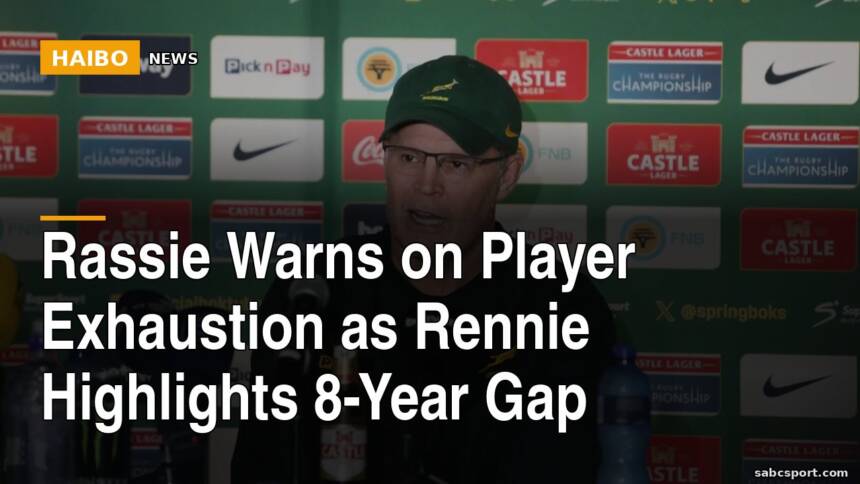
Hold up, Chillers — if Rassie Erasmus is finally admitting the schedule is breaking our boys, why did it take this long to say it? The timeline is already heating up over his push for a synchronized worldwide calendar, and honestly, I think he’s calling out a crack in the foundation. But I could be wrong, and maybe this is just noise before the broadcasters tighten the grip.
Is the Calendar the Real Opponent?
Rassie voiced serious worries about players becoming exhausted, reiterating his call for a synchronized global schedule, per reports. eish, when a head coach raises the flag on burnout, it’s time to listen. The industry loves to treat squads like renewable resources, pumping them through tours until the legs give out. If you ask me, this reads as a necessary defense of the athletes against a system that grinds faster than it heals.
Sponsors and networks thrive on constant content, but players aren’t machines. The push for sync isn’t just about comfort; it’s about sustainability. If we want world-class rugby, we need world-class recovery. Otherwise, we’re just burning bright and fading fast. Rassie is reminding everyone that metal fatigues, and our boys are facing a marathon disguised as a series of sprints.
Kolisi Set to Answer in Buenos Aires?
Then there’s the matter of the captain. Rassie stated certainty that Siya Kolisi will swiftly regain top form for the upcoming clash against Argentina in Buenos Aires. That level of backing carries weight. The skipper shoulders the hopes of a nation, and having the coach project such confidence signals unity. It’s about resilience.
Travel fatigue is real. The distance, the altitude, the pressure — it’s a gauntlet. Asking for peak performance there without adequate rest is asking the impossible. Our boys need leaders who bounce back, and Rassie is setting the tone that Kolisi is ready to lead from the front. The stadium lights in Buenos Aires won’t care about the miles traveled; they’ll only care about the impact. Rassie believes his captain has the gear to deliver.
Rennie’s Math Doesn’t Lie
But hold up, the perspective from Down Under sharpens the debate. Dave Rennie pointed out the disparity head-on. He observed that Rassie has been in charge for 8 years, while his own team has only had 2 months to prepare. Mara, that’s a chasm in preparation. Rennie also flagged that some All Blacks players felt their performance against the Stormers didn’t improve their chances of selection.
That detail stings. It suggests that even a victory over a local powerhouse might not guarantee recognition. You see, when selection feels elusive despite strong displays, the mental load multiplies. The Stormers fixture was supposed to be a tune-up, yet it sparked doubts about selection. That indicates a high-stakes environment where margins are razor-thin. Every pass, every tackle is weighed against the next Test.
Rennie isn’t just comparing timelines; he’s highlighting how experience breeds stability while newcomers fight for every inch. My bet is this gap creates tension that goes beyond tactics. When one coach builds for eight years and another scrambles in two months, the results reflect that imbalance. It’s not just about effort; it’s about the runway each squad gets to take off.
The Verdict on the Grind
We’re staring down two truths. Rassie is fighting for a calendar that saves the players, while Rennie uses the timeline gap to underscore his team’s uphill battle. It’s a brutal reality for any fan who wants the best for our sports. I reckon the path forward requires more than words; it demands a shift that prioritizes human limits over commercial loops. Until then, the debate will rage.
So, Chillers, does a synchronized schedule make sense for the survival of Mzansi rugby, or is the chaos part of the test? Drop your vote below and let the comments section erupt.
Vote in the Facebook comments — results and your best takes become tomorrow's article.