Romanda Hombir’s Miss World 2026 Dance Sparks Debate: Praise or Drag?
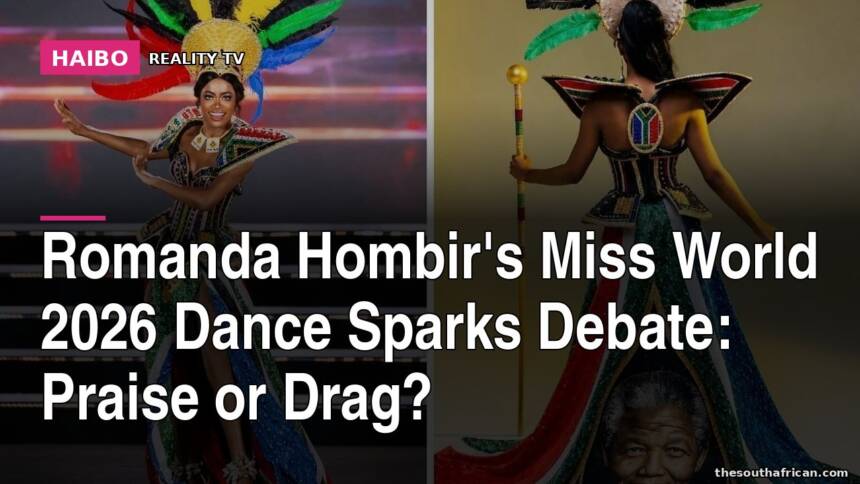
Bring them all, dog, Chillers, because Romanda Hombir just arrived in Vietnam for Miss World 2026 and the chat has already split down the middle before the queens even stepped off the plane.
My take is this: the moment a queen performs traditional dance and displays her costume, someone has to find a reason to drag it. Honestly, that reads as a distraction from the actual work, and I could be wrong.
What Happened in Vietnam?
Romanda Hombir is representing South Africa at the pageant in Vietnam, and she made her mark by performing a traditional dance and showcasing her national costume. According to reports, this allegedly sparked public criticism.
Let’s be realistic, traditional dance and a national costume are basically the bread and butter of international stage events, but apparently, the streets are saying the execution had people typing angry comments faster than a load-shedding notification. If you ask me, asking for a performance of heritage and then nitpicking the details feels like the industry trying to manufacture beef where there wasn’t any. That reads as fear, or maybe just boredom, plain and simple.
Other Queens Shine Amidst the Noise
While the timeline was busy dissecting one performance, other African participants generated serious online buzz. Viewers were praising their looks and selecting favorites, proving there is plenty of love for the continent’s representation.
And look, did you catch the part about who wasn’t there? Reports noted absent contenders, which means the conversation is tracking both the shine of the current lineup and the ghosts of those who missed the cut.
The Silence Behind the Criticism
There’s a lot of talk about what exactly triggered the criticism, but the reports don’t give us the receipts. We’re left with summaries about “public criticism” while the specific complaints stay hidden behind paywalls or algorithmic feeds. That silence is loud, my friend.
It makes you wonder if the backlash was organic or if some corporate sponsor wanted to test the waters before dropping cash. Sponsors love a safe image, and sometimes they pull the rug if a performance looks “too risky” for a family-friendly demographic, even if that definition of risk changes every week. My assessment is that this kind of pressure often comes from behind the scenes, pushing queens toward watered-down versions of themselves to keep advertisers happy.
Culture vs. Critique
This isn’t just about one dance or one costume. It’s about who gets to define South African culture on a global stage. Is it the queen, the organizers, or the internet comment section?
My bet is that focusing on a single moment instead of supporting our girl through the entire journey is just lazy commentary. That’s fine if you want to judge, but don’t act like it’s the hard truth; it’s often just noise amplified by a system that profits from conflict. The presence of other African queens earning praise shows that authentic engagement is still possible, but the gap left by absent contenders reminds us how brutal these competitions can be.
Supporting Our Own
Eish, can we support our own without dissecting every move? The pressure on these women is immense, and the expectation to perform perfection leaves no room for error. If Romanda Hombir is navigating this environment, she’s dealing with layers of expectation that go beyond the runway.
The ordinary person watching just wants to see their country represented with pride, not picked apart until the bones show. Marra, we’ve seen this movie before. A local representative goes global, and suddenly everyone thinks they’re a judge. The mainstream media often amplifies the negativity because clicks beat congratulations every time.
Meanwhile, the real supporters are stuck fighting the tide, defending basic cultural expression as if it’s a crime. I reckon the industry benefits when the crowd is divided; it keeps engagement high and keeps the queens chasing validation instead of demanding better treatment. It’s not clear if this cycle is breaking, but it feels like we’re stuck in the same loop.
Regardless of where the votes land or how the costume is received, the role of a pageant queen involves bridging gaps and sharing stories. Romanda Hombir took the stage in Vietnam to do exactly that. Whether the reaction is positive or negative, the act of standing there and presenting heritage is a statement in itself. The chatter might rage on, but the reality is that she is there, holding space for South Africa. The rest is just noise, and honestly, we don’t need to feed the beast every time a new headline drops.
So, Chillers, does performing traditional dance and showcasing a national costume at an international pageant invite valid scrutiny, or should cultural presentations be protected from immediate public critique?
Vote in the Facebook comments — results and your best takes become tomorrow's article.