Viral Video Sparks SANRAL Contract Allegations
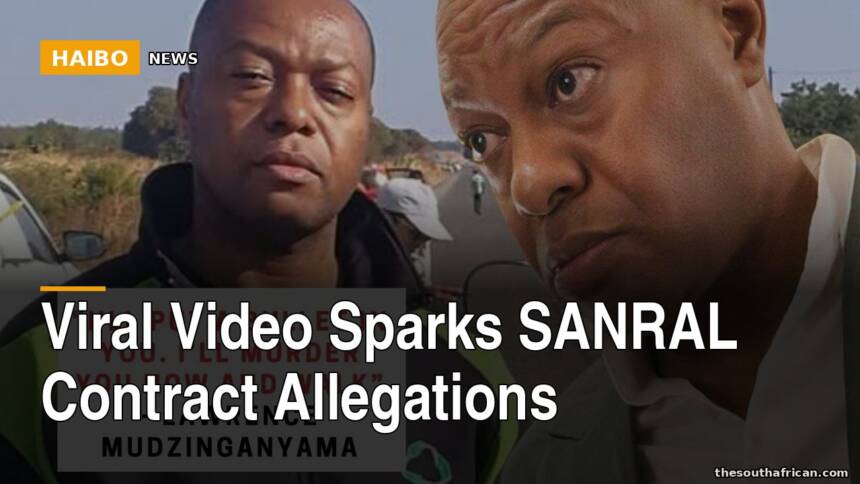
Jump straight into the chat, Chillers, because the timeline has officially turned a viral restaurant clip into a full-blown procurement thriller. You know the drill — one minute Lawrence Mudzinganyama is living that untouchable luxury lifestyle on camera, and the next second he’s caught in a sudden downfall that has everyone scrolling for answers. Eish, the internet does not sleep, but it definitely needs better sources.
Honestly, my take is that we’re letting algorithmic outrage replace actual record-keeping, but I could be wrong because watching a guy go from penthouse to pavement is just too good a plot twist to ignore. What started as a casual scroll through some restaurant footage quickly morphed into serious allegations linking the Zimbabwean businessman to South African infrastructure tenders. Social media reports allege that Progress Hlahla was involved in awarding contracts to a firm tied to Mudzinganyama, a claim reported by The South African and Sunday World.
The Paperwork Doesn’t Lie, But Neither Does The Denial
Let’s be realistic for a second. When state roads agencies get dragged into influencer-style beefs, the whole country starts paying attention. SANRAL has officially stepped in to shut down the speculation, stating clearly that Hlahla had absolutely no role in granting those specific projects to Moriel Infrastructure Group. I think this reads as a standard institutional brush-off, yet I also understand why the public isn’t buying it. We’ve been burned by vague corporate statements before, and frankly, when taxpayer money is allegedly funneling toward names flashing up on our feeds, skepticism is the only rational response.
Who’s Actually Holding The Pen?
Here is where the narrative gets messy. A viral video of someone eating expensive meals does not equal proof of collusion, yet the visual evidence feels so damning that people assume the financial trail must match. My honest opinion is that we’re conflating two completely different worlds — the flashy, performative economy of online clout and the slow, paper-heavy machinery of public sector procurement. One runs on cameras and captions; the other runs on compliance committees and audit reports. If you ask me, treating a restaurant snapshot like an audit document is why half these stories blow up before they even start.
The Verdict On The Vibe
Wait, wait, wait — am I dismissing legitimate oversight? Absolutely not. Public officials are supposed to answer to the people who fund their departments, and if there are unanswered questions about how Moriel Infrastructure Group secured those contracts, then the scrutiny is completely warranted. That said, I judge the way these digital witch hunts play out. We love to tear down a name before checking the spreadsheet, and honestly, that reflex helps no one except the spin doctors. Face card for face card, the system needs transparency, not just a trending hashtag.
So let’s leave the forensic accounting to the auditors and keep the conversation grounded in what we actually know versus what we’re guessing. The streets will keep speculating, the agency will keep denying, and we’ll keep refreshing until something concrete drops. Tell me though — should viral fame automatically trigger deeper investigations into state contracts, or does that cross the line into mob justice disguised as civic duty?
Information sourced from The South African and Sunday World.
Vote in the Facebook comments — results and your best takes become tomorrow's article.