Sister Bethina Turns 20: Why Mgarimbe Deserves Formal Recognition
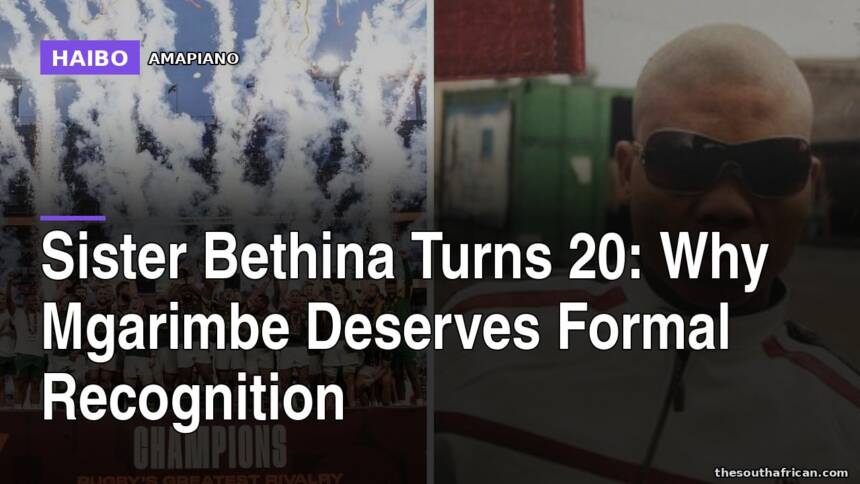
Nah, put down the remote for a sec, Chillers, because the conversation around stadium soundtracks just took a hard left turn when we hit the two-decade mark. If you ask me, we’ve built a massive cultural celebration around an artist who still hasn’t secured a proper formal deal from the powers that usually monetise these moments. But I could be wrong.
The track is called Sister Bethina, and it belongs to Mgarimbe. For 20 years now, this tune has quietly become the backdrop to our biggest sporting wins, pumping through venues whenever the Boks lift silverware. It doesn’t stop here either; the streets are saying the same record got blasted in Baltimore after a local rugby match, turning a township melody into something that somehow crosses oceans and still demands respect. You see, that’s the kind of reach most labels pay millions to manufacture, and yet here we are, watching it happen entirely on the ground.
The Soundtrack That Broke Borders
I think the whole music industry has quietly decided it’s cheaper to treat our cultural touchstones as public property than to actually pay the creator who built them. It reads to me like they’re banking on nostalgia being free, hoping we’ll keep singing along while the corporate machines politely nod from behind the glass. But I could be wrong. Maybe it’s just how general licensing works behind the scenes, where casual venue spins never trigger the same payout streams as billboard campaigns. Still, let’s be realistic—when a record officially predates half our playlists and becomes an unofficial national anthem, you’d expect the architect to get a seat at the table before the anniversary parties start rolling out the trays.
The Quiet Space Behind The Mic
What’s actually wild is how thin the official record gets when you look past the anthemic hype. There’s no confirmed announcement about a commemorative contract, no stated timeline for a formal royalty restructuring, and certainly no verified statement linking this milestone to a renewed commercial agreement. Just a quiet 20-year mark, some video clips circulating online, and a timeline that keeps asking why the artist receives ceremonial recognition rather than a proper business arrangement. If reports are to be believed, Mgarimbe has not received formal royalty notifications tied to these high-profile events, which suggests artists often operate without those safety nets when their work becomes institutional background noise. That feels less like a blessing and more like a structural blind spot, honestly.
Patriotism Versus Paperwork
I judge campaigns that monetise our pride and call it patriotism. It reads to me like they’re banking on the idea that grassroots hits will automatically fund themselves through sheer repetition. Meanwhile, the industry owes a formal recognition deal, not just a commemorative post. Face card for face card, the man delivered the track that literally moves crowds from townships to overseas clubs, but the paperwork still looks like it was written in invisible ink. I reckon the safest route for everyone involved right now is a transparent licensing framework that actually tracks usage beyond the broadcast booth, rather than letting anniversary moments double as PR exercises for platforms that profit from the very energy they overlook.
So here we sit, 20 years in, watching a song that refuses to retire while its creator waits for the same level of professional respect that gets handed to imported playlist staples. Bring them all, dog—we can celebrate the heritage and demand the paperwork at the same time. Now I want to hear from you: does an unofficial anthem automatically qualify the creator for permanent state-backed royalties, or should these milestones stay firmly in the hands of private promoters and sports bodies?
Vote in the Facebook comments — results and your best takes become tomorrow's article.