Erasmus Admits Boks Play Not Optimal In Tense Buenos Aires Clash
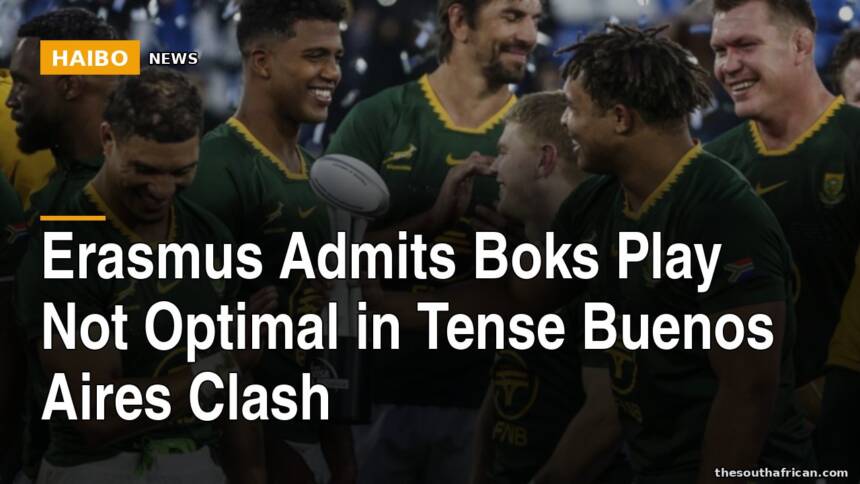
Eish, Chillers, grab your drinks. We’re talking Springboks in Buenos Aires, and the headlines are doing a lot of dancing around what actually happened under the hood. Let’s cut through the noise. You might see a win and think business as usual, but if you look closer, this feels less like a masterclass and more like a rescue mission. My take is that the result is sweeter because the struggle was real, and ignoring the drama would be lying to ourselves. But I could be wrong, maybe the chaos is just part of the winning formula now.
When The Plan Falls Apart
Rassie Erasmus didn’t sugarcoat the performance. The South African reports the head coach admitted the team’s play was not optimal. Mara, you want a clean sheet and a tactical masterpiece? You don’t get that away in Argentina. What you get is character, and Rassie called it exactly that. He praised the grit. If you ask me, reading that honesty as a positive move makes sense. Sometimes owning a messy game builds trust faster than pretending everything is perfect. The industry wants polished speeches, but admitting the play wasn’t optimal shows the coach knows where the cracks are. That’s a boss move, even if it stings.
Pollard Steps Into The Breach
Now, hold up. It wasn’t just a case of grinding out a win. Planet Rugby brings word that this match almost turned into a major setback for Rassie himself. Yoh. The timeline was probably buzzing while the players were sweating on the pitch. The reporter notes the contest nearly went horribly wrong for the coach. That’s pressure. That’s the kind of night where a mistake turns into a crisis. If you ask me, watching a coach nearly go off the rails makes the win feel earned, not handed.
Here’s where it gets juicy. Sacha made some errors. Apparently, those mistakes created enough noise that someone needed to calm the waters. Enter Handre Pollard. Planet Rugby says Pollard stepped in to steady the ship after Sacha’s blunders. I think Pollard saving the day shows he’s still got that locker room weight. When things go south, you need a voice that stops the panic. My bet is Pollard’s intervention kept the camp focused instead of fracturing under the stress. This isn’t just about kicking goals; it’s about emotional regulation at the highest level.
The Verdict On Grit Vs Style
Some will complain about the ugly play. Fair enough. But the streets know rugby is fought in the trenches. We don’t judge here for mistakes; we judge results and resilience. Sacha slipped, Pollard fixed it, Rassie owned the struggle. That’s a working class story, not a PR spin. Sponsors might want the polish, but fans respect the fight. I reckon a gritty win away from home beats a comfortable loss any day. The performance wasn’t pretty, but the heart was there. It raises questions about consistency, though. If the ship can almost sink this easily, how stable is the foundation? I worry that relying on individual brilliance to patch holes is a risky strategy long-term. But for now, the points stand.
So, Chillers, let’s settle this. Does Pollard calming the storm prove he’s the undisputed leader the team needs, or do you think relying on him to fix crises means the system has bigger problems? Cast your vote below and tell us why this matters.
Vote in the Facebook comments — results and your best takes become tomorrow's article.