Podcast Claim: Youth Want Wi-Fi And AI, Not RDP Houses.
Bru, the script just flipped. If you’re still thinking RDP houses and election-day loaves will secure the youth vote, the room on this episode just told you exactly why that math is dead. We’re deep in 2026, and the currency of loyalty has shifted. The speaker claims the currency of loyalty has shifted away from bread and bricks.
One voice in the studio drops a blunt assessment of the current political landscape. The argument presented is straightforward: information access has made old-school patronage impossible. The speaker reckons that trying to trade basic survival for votes is a relic of a time before everyone had the world in their pocket.
“People have so much information that in 2026 as a political party, you can’t come and and and and and push the whole, hey, we will give you water if you vote for us,” one speaker tells the group, dismissing the transactional nature of past campaigns.
The discussion zooms in on the target demographic. The panel zeroes in on a 22-y individual, noting that handing over one loaf of bread won’t trigger the gratitude expected by the establishment. The expectation of dependency is gone, and the speaker insists the old incentives simply bounce off the younger generation.
There’s a moment where “easy loafers” gets tossed out as a desire, only for the room to immediately shut down the pun before clarifying the real hunger. The speaker corrects the record immediately. No, the youth doesn’t want loafers either. … What we want is [ __ ] wi-fi, bro.
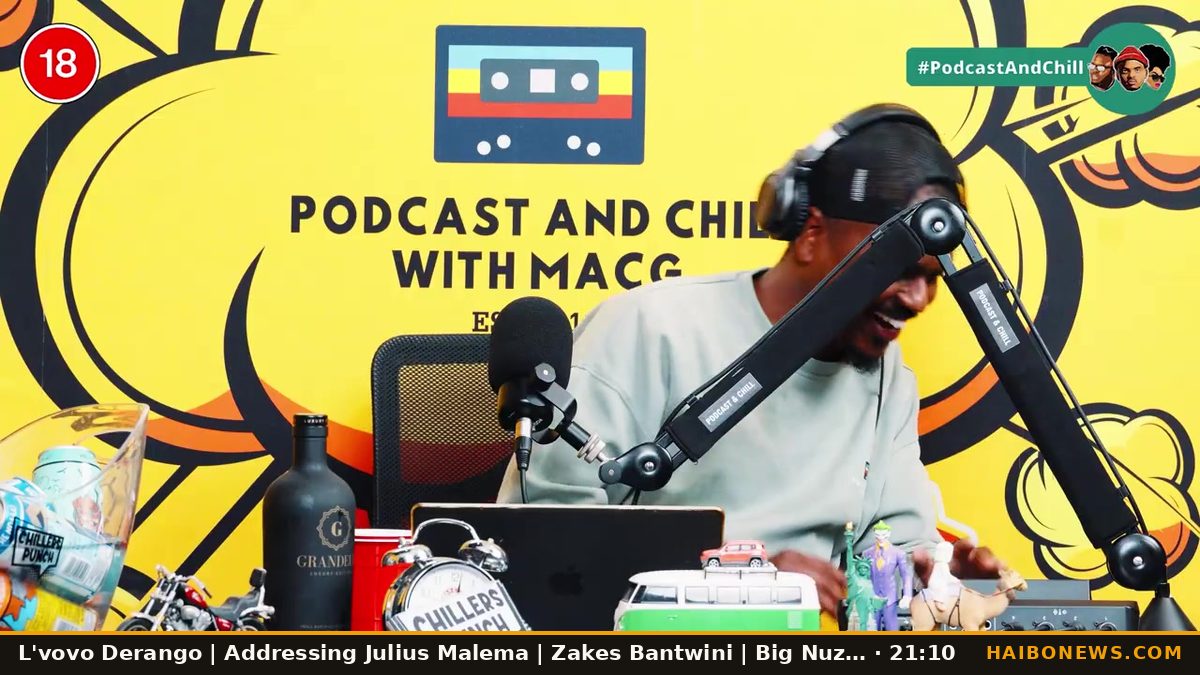
The speaker connects connectivity directly to economic autonomy. Wi-Fi isn’t just a utility here; it’s the seed capital for the new economy. The logic flows fast: connection allows creation, and creation removes reliance on the gatekeepers. The room agrees that access is the new prerequisite for participation.
“You can invest yourself in AI and have AI automated businesses running,” the episode asserts regarding the power of digital access, highlighting how technology can generate income without needing permission slips from the status quo.
This empowerment is identified as the existential threat. The room points out that political structures thrive when the populace needs them for survival. Remove that need, and the leverage evaporates. The speaker insists, “once you do that then you don’t need them,” framing independence as the ultimate disruption.
The speaker frames the rise of podcasts not just as entertainment, but as a full-blown industry that poses a genuine threat to entrenched interests. The “opus mo” for the establishment relies on things thriving in a controlled environment, and the chaotic energy of independent audio disrupts that control, forcing a reaction from those who benefit from the chaos being managed.
Then the conversation pivots to the darker mechanics of media influence. A voice in the room alleges that the very political actors losing ground are now stepping into the funding ring to reclaim control. The claim is that political parties are pouring cash into podcasts to steer narratives back toward their favor.
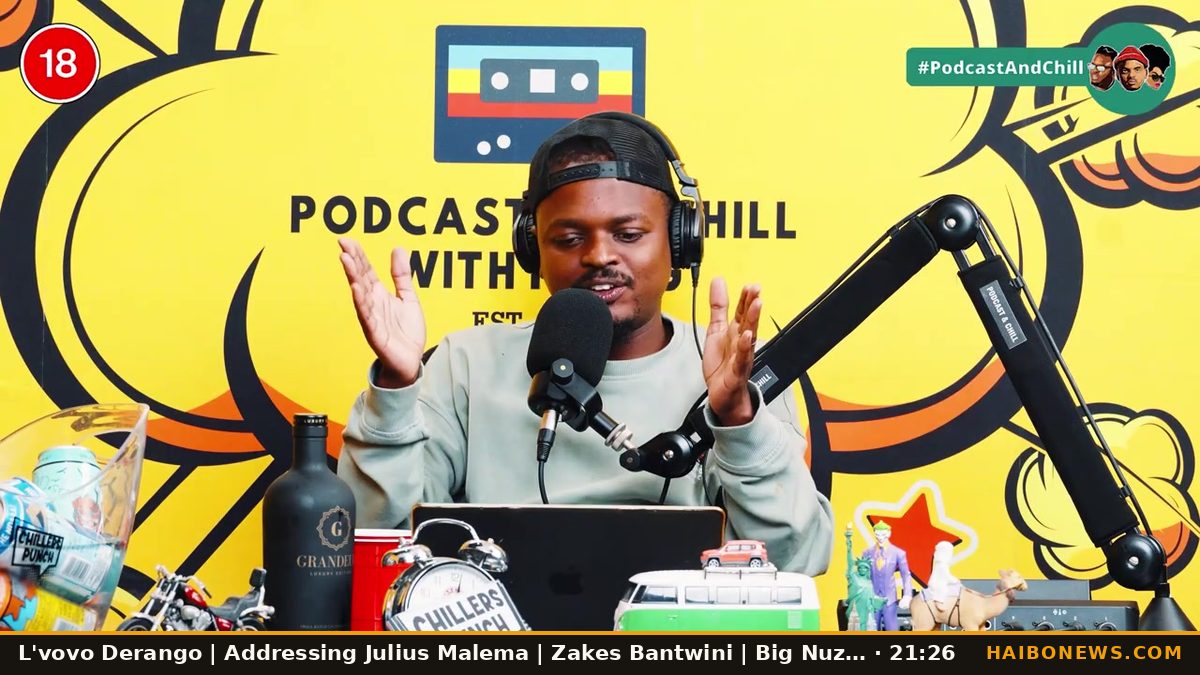
The scale of this alleged intervention is described using a specific cultural shorthand. “Imagine you are an openheimer cuz these guys they get funding from these guys opens and whatever and it’s a lot of money dog,” someone remarks, invoking the weight of that family’s financial history to illustrate the stakes involved in media ownership.
The episode flags the loopholes allowing this influx. The speaker explains that thresholds exist where donors don’t have to reveal their identities. This creates a system where the same entities can split their contributions, “multip um multiple donating to keep it under the threshold,” effectively buying silence alongside airtime.
The speaker highlights the irony of calling for liberation while potentially being bankrolled by the opposition to that liberation, asking the room to consider who truly benefits from the illusion of independence. The listener is left wondering if the mic is free or if someone else is holding the cord.
My take is that the threshold loophole is the real story here. If political parties are using these gaps to bypass transparency laws and fund content, that undermines the entire premise of independent media. It turns the “podcast revolution” into another bought channel, which makes my call for genuine digital literacy feel less like hype and more like defense against narrative capture.
The segment leaves listeners with a stark choice: trust the platforms promising independence, or question who’s actually paying the bills? Where do you stand on podcast funding transparency?
Source: L’vovo Derango | Addressing Julius Malema | Zakes Bantwini | Big Nuz | Rebuilding After A Stroke — Podcast and Chill Network. The link opens at the moment quoted. Quotes are from the episode’s automatic transcript.
Vote in the Facebook comments — results and your best takes become tomorrow's article.