Anele’s Capture Method Divides Opinion In Kempton Park
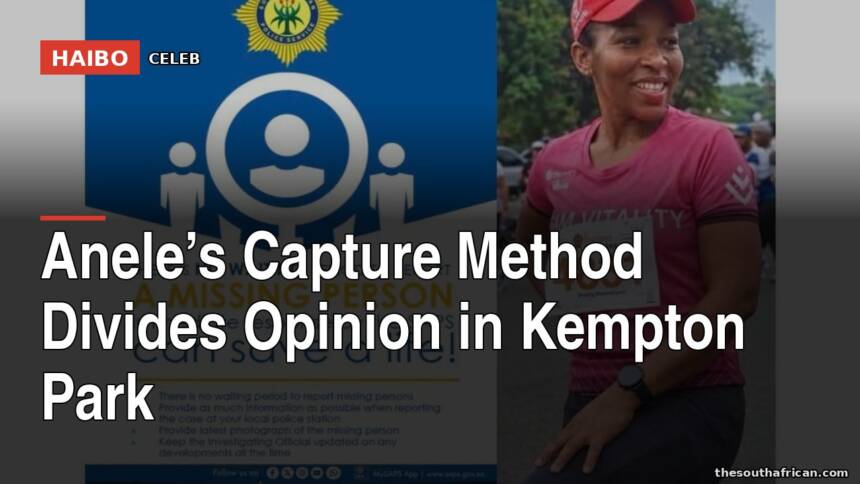
Drop your group chat for a second, Chillers, because the conversation around Kempton Park barely cooled down before the timeline split right down the middle. You see, we were already tracking the reported disappearance of local runner Elizabeth Moselakgomo when another layer hit the news, and honestly I could be wrong about the whole mess, but my take is this: the rush to turn raw fear into viral radio moments is lazy industry work, even if the intentions look tidy on paper.
Waiting On The Truth While The Timeline Spins
The streets are saying the pressure is already too heavy for one family. Elizabeth’s relatives have publicly asked the public to stop sharing unverified claims while they wait for official confirmation that a woman’s body found in Rhodesfield belongs to their missing daughter. Eish, the silence from authorities on exact details leaves ordinary people grasping at scraps, and instead of letting them breathe, the narrative keeps getting pulled toward spectacle. If you ask me, demanding patience from grieving relatives while the media machine chases the next headline reads as completely tone-deaf. We don’t judge here when people are scared, but we absolutely should judge how quickly information gets packaged for consumption. The thinner the official updates, the louder the noise becomes, and that dynamic only hurts the families waiting for answers.
When Radio Ideas Cross The Line
Then came the proposal that shifted the entire mood. After police warned of 4 deaths linked to the ongoing investigations, radio host Anele Mdoda suggested a controversial method to catch the alleged suspect, as reported by Briefly.co.za. That specific suggestion has divided public opinion across every platform, and looking at the fallout, it’s clear why. My bet is that crossing from awareness-raising into tactical theatrics alienates the very community members who hold the real clues. The industry loves a dramatic reveal, but community safety isn’t a scripted segment. I reckon that gamble prioritizes broadcast momentum over the families who are already drowning in uncertainty.
It’s weird how little we actually know, and that vacuum is exactly what the algorithm thrives on. Without solid dates, timelines, or confirmed leads, everyone starts filling in the blanks. My honest opinion is that treating sparse updates like breaking news cycles just exhausts the community instead of building a coordinated response. When the facts stay thin, the smartest move isn’t to manufacture excitement—it’s to amplify the official channels until there’s something real to report. The rest is just noise.
This isn’t about silencing voices; it’s about respecting the space between a warning and a verdict. The authorities have flagged 4 deaths, yet nothing concrete has been officially confirmed beyond the initial reports. When a missing person case turns into a battleground for competing theories, the everyday residents who actually live in those suburbs lose out. They don’t need click-driven provocations, they need verified tips and quiet coordination.
Face card for face card, calling for caution isn’t anti-progress; it’s basic human decency. But whether that boundary can hold when ratings are on the line remains the real test. Do you think radio hosts and media personalities should step back and let law enforcement handle the tactics, or does public speculation actually help solve these cases faster?
Vote in the Facebook comments — results and your best takes become tomorrow's article.