Six Witnesses Expected As Inquest Into Anele Tembe Resumes
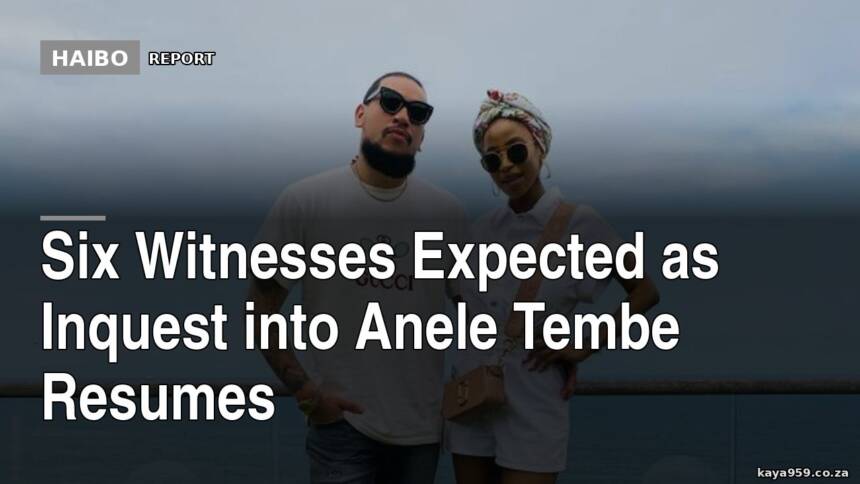
Wait, wait, wait — pull up a stool, Chillers, because my timeline is already arguing over whether a single logged phone call shifts the entire narrative at the Cape Town Magistrates Court. You see, the inquest into Anele Tembe’s death is back in session, and 6 individuals are expected to take the stand today. But honestly? I don’t get why we’re treating a routine security request like a major plot twist when the whole story is still wrapped in strict court protocol.
My take is that the mainstream coverage is already running laps around a fact that simply states AKA reportedly telephoned the hotel’s front desk to request security personnel. It’s easy to spin it into a villain origin story, but I could be completely wrong. The streets are saying the industry loves a quick moral compass, yet all we have right now is a courtroom docket and a small witness list. Let’s be realistic: an inquest isn’t a podcast where you drop receipts; it’s a slow, meticulous search for truth, and we’re starving ourselves for soundbites. Yoh, the appetite for instant drama is exhausting.
Why Are 6 Witnesses Suddenly the Main Event?
According to reports from Kaya959, 6 individuals are set to testify as the proceedings resume. That exact number tells us the legal process is moving methodically, not theatrically. Yet the second a headline drops about a musician making a call, suddenly everyone has a theory about intent. If you ask me, that reads as a classic industry habit: packaging quiet procedure into explosive content because silence doesn’t sell click-throughs. I’m not judging the curiosity, but I am calling out the rush to verdict before a single sworn statement hits the official record.
The Phone Call We’re All Overthinking
Here’s the raw detail sitting at the centre of today’s chatter: testimony has revealed the musician contacted the hotel reception specifically to ask for security staff. No drama attached, no added context, just a documented action. When you strip away the algorithmic hype, it looks to me like a standard logistical step that somehow got drafted into a massive cultural moment. And that, to me, is the real issue—we’ve trained ourselves to treat routine requests as proof of character. The courts move at their own pace, sponsors don’t pay attention until there’s a payout, and the rest of us are left scrolling through reconstructed timelines that barely scratch the surface.
So here’s where we land: the facts are sparse, the process is ongoing, and the public imagination is doing all the heavy lifting while the magistrate handles the paperwork. I reckon we owe it to the actual legal system to let it breathe without demanding instant closure from a news feed. Bring them all, dog, let the witnesses speak, but keep your theories off the keyboard until the gavel drops. Now I need you to settle this one—should the media and fans step back entirely while an inquest runs its course, or is public scrutiny necessary to keep the proceedings transparent?
Reporting drawn from Kaya959 and IOL.
Vote in the Facebook comments — results and your best takes become tomorrow's article.