Banana Beauty: Is Limpopo’s New Hair Flex Disrupting the Industry?
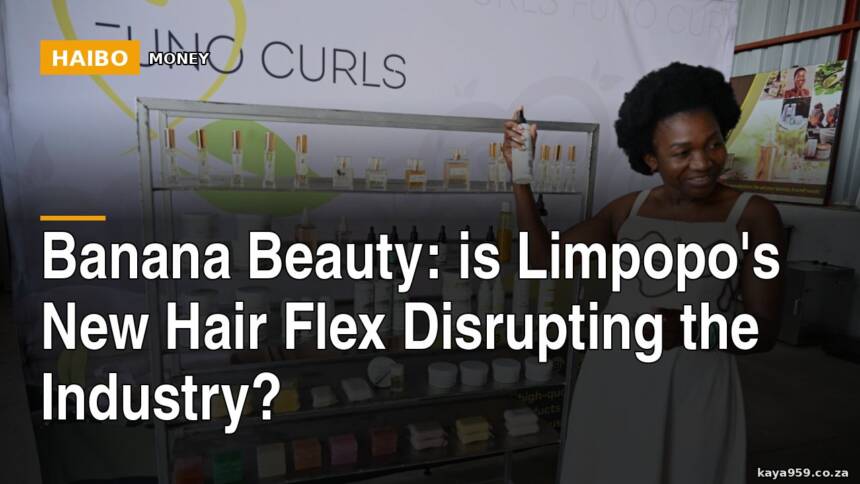
Nah, but listen — you’re scrolling past Lufuno Nemakonde like she’s just another headline, but my friend, pause the feed right now. We’ve been crying over the cost of synthetic weave while a businesswoman in Limpopo is out here turning banana plants into hairpieces. You tell the story, because if this doesn’t shift the narrative around who is disrupting the beauty game, I don’t know what will.
Honestly, the way the mainstream media covers ‘innovation’ is usually about some tech app that deletes your privacy, so seeing a Limpopo entrepreneur solve the plastic problem with a fruit crop feels like the universe finally decided to send us a win. But I could be wrong, maybe this is just a trend that’ll fade before the harvest season, though the streets are saying something different is brewing.
Why Are Big Brands Ignoring Banana Plants?
Funocurls Green Beauty is the company name, and according to reports from Briefly and Kaya959, Nemakonde has developed extensions and pieces using fibers extracted straight from banana plants. This isn’t just a craft fair project; the aim is to cut down our reliance on those petrochemical-based synthetics clogging up landfills while also creating jobs right there in her community.
If you ask me, this reads as exactly the kind of move that makes the big corporate sponsors sweat. We all know the industry loves a quick buck from cheap imports, so pivoting to a bio-based solution that keeps money local is going to ruffle feathers. It appears to me like they’re banking on customers being too addicted to their current suppliers to notice a greener option, but that strategy assumes nobody cares about where their hair comes from anymore.
Can Eco-Hair Beat the Synthetic Giant?
Eish, let’s be realistic. Ordinary Chillers are tired of paying premium prices for products that shed, tangle, and harm the environment. A solution that offers durability without the ecological guilt trip? That’s a flex worth backing. Mara, think about it. Every salon visit involves plastic, and every disposal ends up as microplastics. Nemakonde is tackling the root cause by using an agricultural by-product that would otherwise rot or burn.
This is circular economy stuff, baby. Regarding the jobs, generating employment locally means keeping wealth within the province instead of shipping profits overseas. That’s the kind of impact that actually feeds families. My bet is that once people realize the texture holds up, the demand for banana-fiber braids is going to overwhelm the supply chain faster than a viral TikTok challenge.
The drama arc here is clear: we have a local innovator stepping up to fill a gap the global market ignored, potentially boosting employment while cleaning up the planet. Whether Funocurls can scale this up without losing its soul or getting bought out by a conglomerate wanting to slap a luxury label on banana hair remains to be seen. But for now, the action speaks louder than the marketing budgets.
I judge anyone who dismisses this just because it’s ‘natural’. Innovation shouldn’t have a zip code, and creativity shouldn’t be confined to boardrooms in Sandton. If a banana plant can offer a viable alternative to synthetic hair, then the door is wide open for other overlooked resources to step up. The industry needs to wake up, because the people are ready for a change that doesn’t cost the earth.
Vote in the Facebook comments — results and your best takes become tomorrow's article.