A US Court Just Ordered Lebo M to Pay Comedian Legal Fees
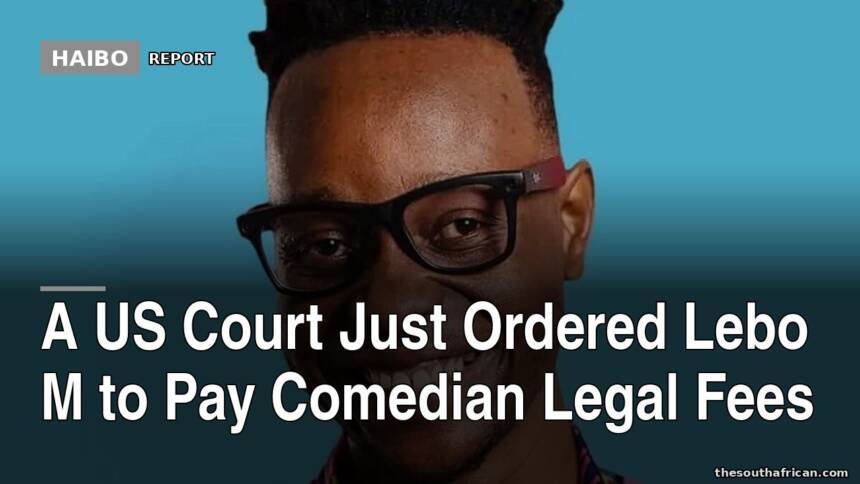
Chillers, pause the playlist for a minute because my timeline just served us a courtroom receipt nobody expected. Wait, hold up, if you thought federal judges only cared about maritime law and tech patents, you clearly haven’t been watching the docket across the pond. A comedy routine about The Lion King’s opening chant has somehow landed in a US federal court, and the gavel just came down. Comedian Learnmore Jonasi is officially the winner in a lawsuit filed by composer Lebohang ‘Lebo M’ Morake, and the financial side of the verdict is already trending.
When a Punchline Leaves a Paper Trail
According to coverage from The South African and SarichandFamous, the court has ruled in favour of Jonasi, ordering Morake to reimburse the legal fees. That total sits exactly at $39,560, which converts to roughly R640,000 back home. To me, this reads less like a blanket victory for stand-up comedy and more like a blunt reminder that humour doesn’t automatically ignore jurisdictional boundaries. But I could be wrong, and I’m ready to concede if the broader context shifts.
Why the Industry Always Overcorrects
Here is where I draw the line, honestly: we love celebrating local talent booking international stages, but we conveniently forget that crossing oceans also means crossing different legal systems. If a bit crosses a line in one country, brands and mainstream media will instantly treat it like a PR emergency. My take is that the whole situation treats a live performance like a corporate liability, which is why everyday fans end up funding the anxiety while lawyers bill by the hour. Eish, we really turned a stage joke into a federal docket.
The Receipts Don’t Lie, But They Aren’t Everything
You see, Jonasi navigated the entire legal process, and the final ruling confirms he wasn’t liable. Face card for face card, but let’s be realistic about what the document actually says. Morake was named in the filing, and the court has now settled the financial obligation by mandating reimbursement. Whether the routine technically infringed on copyrighted material or simply misfired in a heavily litigious environment remains unverified by either camp, but the order is clear and the money is moving.
What Happens on Tour Now?
I reckon the next time a performer packs a bag for overseas dates, they’ll probably insist on running every joke past a contract lawyer before stepping near a microphone. It’s not clear whether this case establishes binding precedent for future acts, but my bet is that comedy tour budgets will suddenly get much stricter about content clearance. Bring them all, dog, but spare us the extra ceremony when the invoices arrive. The streets are saying the industry will quietly adjust its playbook behind closed doors, and frankly, that makes perfect sense.
Look, we grew up on local comics trading barbs at community halls and club nights, where the biggest risk was getting heckled by a drunk uncle in the front row. Swapping that energy for a federal lawsuit changes the game entirely. Ordinary people don’t want to fund high-priced legal teams just to hear a punchline land safely. My opinion is that the real tragedy here isn’t the verdict itself, but how quickly entertainment becomes paperwork once it touches international markets. Sponsors and management companies will absolutely use this moment to demand tighter controls, which means artists lose the messy, unpredictable magic that made the bits funny in the first place.
So, Chillers, do touring comedians need strict legal guardrails for international jokes, or do those rules kill the spontaneous magic of live comedy?
Vote in the Facebook comments — results and your best takes become tomorrow's article.