Is Mzansi Finally Prioritising Real Heritage?
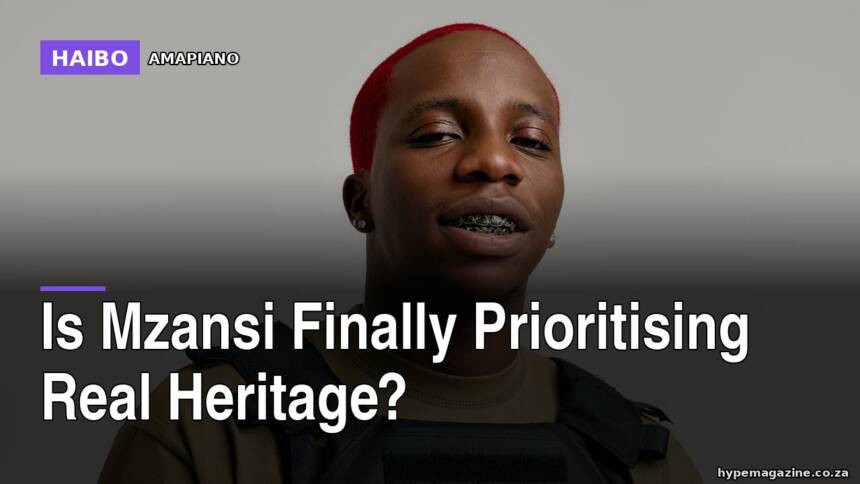
You see, Chillers, we’ve already been arguing whether our favourite artists are actually digging up their roots or just shopping for a new brand deal. Nah, but listen, I’m going to put my hand up here — I could be completely off base. But when two separate conversations about heritage drop in the same week, you start wondering if the timeline is finally catching up to what we’ve known since day one.
Muzi and the Corporate Heritage Wrap
Let’s talk about Muzi first. The recent interview covered his music journey, his cultural background, and his collaboration with Takealot’s Heritage Design Challenge. My take is that this reads like a calculated pivot. The industry has always treated African identity as a season, not a lifestyle, and partnering with a massive e-commerce platform for a design challenge feels less like a passion project and more like a well-dressed sponsorship wrap. That said, if you ask me, giving mainstream platforms a reason to fund local craft is still better than watching those spaces stay empty. I’m not saying it’s pure poetry, but I’m also not blind to the opportunity sitting right in front of us.
KindlyNxsh’s Studio Homecoming
Then KindlyNxsh drops Shona Man, an entire record built around his Zimbabwean lineage. Honestly? Face card for face card. When an artist uses their studio time to amplify a specific dialect and traditional rhythm instead of chasing whatever algorithm is currently trending, that’s a different kind of flex. It doesn’t sound like a marketing strategy, it sounds like homecoming. And I’ll stand by that, even if the charts take a minute to figure out where it belongs. The streets are saying the production leans heavily into authentic instrumentation rather than polished pop formulas, which means the artist is betting on substance over quick streams.
The Ordinary Listener’s Verdict
Bring them all, dog. Because here’s the thing the sponsors won’t tell you at the launch parties: everyday listeners are starving for this. We’re tired of generic crossover tracks that could’ve been recorded in any airport lounge. We want the actual language, the actual stories, the actual heritage. This isn’t about gatekeeping; it’s about accountability. When big brands step into the cultural space, they usually bring focus groups and lawyers. If Takealot’s challenge is actually putting money into the hands of independent creators instead of just renting a logo for a billboard, then the architect of that deal deserves credit. Same goes for the record label pushing Shona Man.
Look, the algorithm rewards repetition, but heritage rewards memory. When mainstream media starts treating local roots as a novelty instead of a baseline, we lose the plot. I reckon the real test isn’t how many hashtags these projects trend under, but whether the communities they claim to represent actually feel seen after the cameras stop rolling.
So, Chillers, be honest with me. Do you think this wave of heritage-focused music is a genuine renaissance for Mzansi artists, or is it just another carefully packaged product ready to expire when the next trend hits? Drop your verdict below.
Reporting compiled from YomZansi and HYPE Magazine.
Vote in the Facebook comments — results and your best takes become tomorrow's article.