Tatjana Smith Takes Legal Action Over Unpaid Prize Money
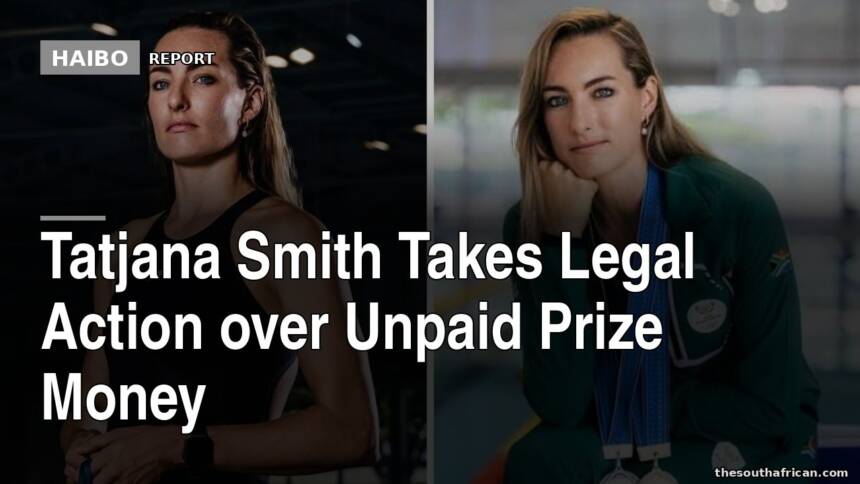
Wait, wait, wait — you really thought the timeline would stay quiet after the latest updates dropped? Nah, but listen, Chillers, drop the rempe because Olympic champion Tatjana Smith has officially taken legal action against Swimming South Africa over unpaid prize money. I don’t get why anyone is still acting surprised by this one, because if you ask me, we’ve watched this exact same script play out across our sporting landscape more times than we care to count. But I could be wrong, and honestly, maybe I’m just tired of seeing athletes carry the flag while the boardroom handles the finances.
What Exactly Is In The Court Papers?
According to reporting from Briefly and The South African, the legal proceedings are centred on a straightforward financial disagreement. Smith is reportedly seeking the principal amount from her World Championship earnings alongside the interest that accumulated while those funds were held back. The organisation is accused of retaining both the original winnings and the interest they generated, all amid broader complaints regarding internal conflict and shaky administration. There are no specific rand figures attached to this yet, which tells you exactly how much of the story is still wrapped in legal protocol.
The Interest Question Changes Everything
Eish, when you factor in the accrued interest, you’re looking at a scenario where the federation allegedly used the delayed payout period to manage its own liquidity before settling the account. To me, this shifts the entire conversation from a simple clerical error to a deliberate calculation about whose cash sits idle. I read this as a moment where the athlete’s immediate livelihood clashes with an institution’s comfort with temporary cash flow. It’s not clear whether the delay was born from bureaucratic friction or a calculated choice, but my bet is that the paperwork took priority over the person who actually brought home the hardware.
Why Our Champions Always Pay The Price Initially
You see, when a national federation hits a snag, the public expects instant payouts, the sponsors want clean ledgers, and the competitor just wants what was promised for representing the country. I judge systems that treat international medals as charitable donations rather than earned contracts. If the administration is struggling internally, that is a problem for the governing bodies to solve, not something that should bleed into the pockets of the competitors. My take is that relying on goodwill instead of strict financial timelines is simply bad management, and frankly, we deserve better than watching our best performers chase invoices.
The Verdict On The Situation
So here we are, waiting on the next court date while the rest of us speculate about standard operating procedures versus basic fairness. Mara, bring them all, dog, but this time I hope the settlement includes proper transparency. Tell me where you stand, because I know this one is going to split the comments wide open.
Vote in the Facebook comments — results and your best takes become tomorrow's article.