Tiffany Meek’s Phone Allegation And DJ Warras’ Leak Unpacked
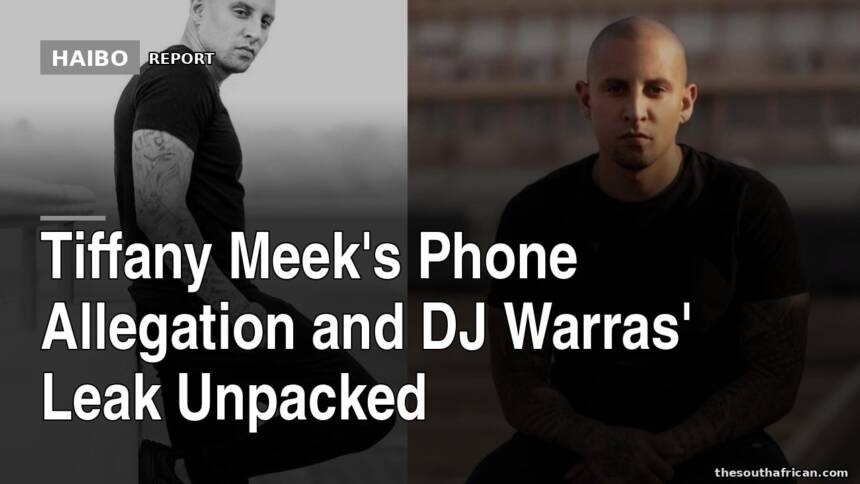
Honest, I thought we left the prison gossip behind until the next cycle, but here we are again. Tiffany Meek, who is charged with killing her son, is now linked to reports claiming she possessed an unauthorized mobile phone while detained. If what Briefly.co.za is saying holds water, this isn’t just a minor infraction; it’s a whole new chapter in a drama we barely understood. The mention of ‘leaked messages’ adds another layer, suggesting communication was not just attempted but possibly exchanged, which amplifies the seriousness of the breach.
Is The Detention Setup Actually Secure?
Nah, but wait, let’s look at the bigger picture. It seems to me that the moment a high-profile name gets locked up, the ‘industry’ tries to spin a tale of total isolation, only for leaks to pop up every time. My bet is that if this phone report is accurate, it highlights a massive vulnerability in how cases are handled. You tell the story, but when someone facing a murder charge has a line to the outside world, it feels like the rules bend for everyone except the poor souls who can’t pay for protection. I judge the situation hard because security shouldn’t rely on luck, but I could be reading too much into a single report. Mara, the idea of leaked messages means someone inside might be talking, or outside sources are getting wind. That raises the bar for suspicion significantly. It seems to challenge the credibility of the institutions tasked with keeping the peace during trials.
The Car Leak: Betrayal Or Active Support?
Then the timeline shifts gears to DJ Warras, and suddenly the mood turns colder. According to The South African, a 40-year-old woman allegedly provided vehicle information about him to the man accused of orchestrating his murder. Yoh, this is heavy stuff. We don’t judge private citizens lightly, but when a 40-year-old is alleged to be feeding details to a murder mastermind, the action speaks for itself. My view is that sharing car specs with a killer is not a slip-up; it’s a direct contribution to violence. If you ask me, this crosses a line that doesn’t exist anymore. The person supplying those details needs to answer for why they’d risk lives for whatever motive is driving them, though it’s not clear what that motive is yet. The connection implies a network we aren’t fully seeing, and that terrifies me more than the individual acts. The term ‘orchestrating’ suggests this was a plan, not a spur-of-the-moment thing. Helping someone execute a plan is worse than dealing with chaos; it’s active support for violence. I think anyone providing info for a scheduled threat is crossing a boundary that invites danger. My gut says the industry needs better protocols, not just more news cycles.
Fact Check: Keeping Our Finger On The Pulse
Wait, wait, wait, before we start dragging names in the comments, let’s keep it grounded. Both these stories come with ‘allegedly’. Tiffany Meek’s phone possession is reported by Briefly.co.za based on leaked messages, meaning the evidence is circulating but needs proper verification. The source mentions ‘leaked messages’, which hints at digital trails, but until courts confirm the authenticity and intent, we treat this as an allegation. Similarly, the details about the woman and DJ Warras are sourced from The South African, placing the claim squarely in the realm of ongoing investigation. We can discuss the implications of these reports without treating them as gospel. The streets are saying this points to deep infiltration, but until we have court records, we stick to what the sources provide. It’s easy to get swept up in the drama, but remembering the word ‘allegedly’ protects us from spreading unverified harm.
Trust, Safety, And The Public Interest
Bring them all, dog, because we’re seeing a pattern where celebrity culture and serious crime intersect in messy ways. Whether it’s a cell phone in a detention centre or car keys handed to a suspect, these stories force us to ask uncomfortable questions about access, trust, and safety. I reckon the public is tired of being kept in the dark while suspects allegedly communicate freely. If the system allows these loopholes, we can’t blame Chillers for demanding transparency. The verdict is simple: accusations demand accountability, and silence from authorities only fuels more speculation. When celebrities are involved, the pressure mounts, but the standard for safety should never drop. Ordinary people deserve systems that work, regardless of who is in the spotlight or the dock.
So, Chillers, we’re left with two heavy allegations and a lot of unanswered questions. Do you think these reports show that the justice system is failing to contain high-risk individuals, or do you believe the focus should remain solely on verifying the evidence before jumping to conclusions?
Vote in the Facebook comments — results and your best takes become tomorrow's article.