Tyla’s Fizzer Recall Sparks Retail Safety Debate
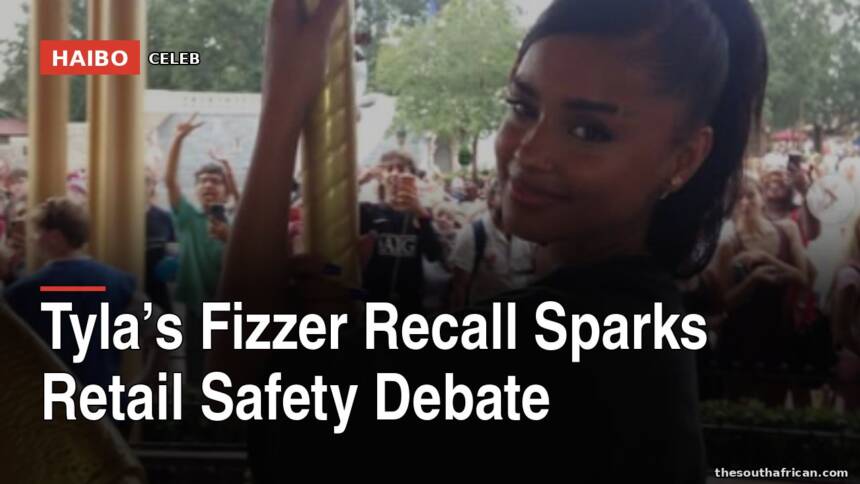
Jump straight into the chat, Chillers, because my feed is absolutely buzzing over something that should honestly be basic human decency. Celebrity stories usually involve broken cars or reality TV shade, but Grammy winner Tyla just had to pull up on an Elle UK Snack Challenge video and talk about a security guard accusing her of stealing a single Fizzer candy when she was younger.
Wait, wait, wait — you’re telling me the whole drama started over a sweet? Nah, but listen, if you ask me, this isn’t really about confectionery. It’s about how the industry and its hired guns still treat rising talent like they’re already guilty until proven otherwise. And honestly, I could be wrong about the whole setup, but when you’ve got a kid walking out of a shop while a grown adult stares them down, you don’t need a camera crew to see the power imbalance.
A snack challenge that turned into a masterclass?
So she’s there, doing a lighthearted segment for a major fashion magazine, eating whatever snacks come through the door. Then the conversation pivots. She recalls being stopped at a store and told she didn’t pay for her Fizzer. According to reporting from The South African and JoburgETC, she addressed an alleged shoplifting accusation, maintaining it was completely false. There were no formal proceedings, just a sudden stop because of a suspicion.
Face card for face card, she handled it by turning it into content instead of letting it rot. But let’s be realistic — this is the same machinery that tells young artists they owe the world gratitude while treating them like liabilities in retail spaces. You tell the story, and what comes back is a reminder that fame doesn’t automatically erase the way ordinary people get policed.
Why we’re all still mad about a sweet
Mara, why does it take a global chart-topper to make us notice how routine these stops are? The streets are saying we’ve gotten comfortable watching teenagers get shaken down for things they never touched. It’s not even about the candy anymore. It’s about who gets trusted to walk freely and who has to prove they belong. If you look at how brands suddenly surround these kids once they blow up, you’d swear they forgot where the training actually happened.
My bet is the industry quietly profits from that hustle phase, then acts shocked when the artist finally demands basic respect. That reads as fear, if you ask me, because it means they know the foundation was cracked long before the cameras arrived. But honestly, maybe I’m projecting too hard. Either way, the video dropped, the timeline split, and now everyone’s pretending this is entirely newsworthy.
The real takeaway before we move on
We don’t judge here, but we also don’t ignore patterns. A snack challenge should stay light. Turning it into a memory of being suspected of theft says everything about how casually we normalise suspicion around young Black talent. The guards, the venues, the gatekeepers—they operate on autopilot until someone famous enough makes them pause. Until then, it’s just another Tuesday.
So drop your phones for a second and answer this one properly: do you think artists should publicly call out retail encounters to force accountability, or is it better to keep the focus strictly on the music and let the industry handle disputes behind closed doors? Sound off below, because I know half of you are ready to fight about it.
Reporting drawn from The South African and JoburgETC.
Vote in the Facebook comments — results and your best takes become tomorrow's article.