Sardinia’s Leaping Maggot Cheese Banned By EU Law
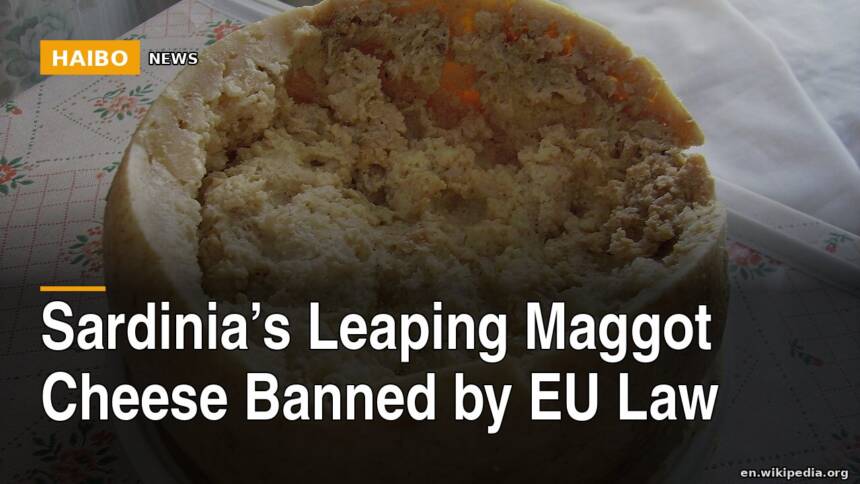
Locals snack on sheep milk curds packed with wriggling grubs that spring nearly six inches if you disturb them.
You see, this isn’t some weird prank or a lost episode of a horror show. The archives note residents dub it casu martzu and treat it as a cherished part of their culinary past. I’m sitting here trying to understand how you convince anyone that swallowing moving larvae is the peak of gastronomy.
Is This Tradition Or Just Dangerous Snacking?
They make it by leaving whole sheep milk wheels outside while part of the rind sits open. Cheese flies get invited to lay eggs right inside the dairy product. When those eggs hatch, the hungry babies start chewing through the fats until the texture turns into something soft and liquidy.
By the time the ferment is done, typical blocks contain thousands of these wriggling creatures. Their digestive juices soften the dairy fats until a liquid known as làgrima begins to weep from the rind. The word translates to teardrop, though it is simply fermented dairy fat leaking out during the breakdown process.
If you want the real quality stuff, makers pick milk collected near the end of June. Local traditions also swear by letting the warm sirocco wind blow over the cheese to encourage more maggot activity. The whole process takes three full months before you can even think about biting in.
Consumption rules are strict because dead larvae ruin the experience entirely. Some fans put the cheese in sealed paper bags to starve the bugs of oxygen. Others just cut thin strips onto flatbread and wash it down with strong red wine.
My bet is the flavor hits hard with spicy, pastoral notes that linger for hours after one bite. Diners hold hands over sandwiches to stop jumping insects from flying away. Larvae launch themselves distances up to 15 centimetres when disturbed, which makes every meal an active sport.
The Most Dangerous Cheese On Earth?
Health concerns loom large even though no cases have been linked to the cheese itself. Pseudomyiasis is the medical term if larvae survive stomach acid and move into intestines. That condition causes nausea, vomiting, and serious gastrointestinal upset.
Authorities banned the sale because European safety laws demand food must be completely safe. You face heavy fines if caught selling it, yet illegal production still hits an estimated 100 tonnes per year. Prices often double compared to normal pecorino on the black market.
The prohibition has stayed firmly locked down even though advocates keep pushing to classify it as a historic regional staple. An official paper explains the making process, but EU regulations block legal sales regardless of cultural value. Researchers teamed with farmers at the University of Sassari in 2005 to design a hygienic version that might pass inspection.
Meanwhile, American regulators keep the curd firmly off their shelves. Guinness World Records stamped it as the world’s most dangerous cheese back in 2009. The book cites risks like abdominal pain and bloody diarrhea if the bugs get too cozy inside your body.
Some cultures view it as an aphrodisiac tied heavily to shepherding superstitions. A gastronome named Fancello argues we have eaten worms since Roman times. He notes Pliny the Elder and Aristotle discussed it ages ago.
I’ll give them credit for sticking to their guns on this weird tradition, even if I’d rather play it safe. I’m just asking the room straight up: would you risk intestinal parasites for a legendary meal, or is that simply madness?
Source: Wikipedia’s article on “Casu martzu”. The facts are theirs; the words are ours.
Vote in the Facebook comments — results and your best takes become tomorrow's article.