Digital Maskandi Vol. 1: Fresh Sound Or Industry Rebrand?
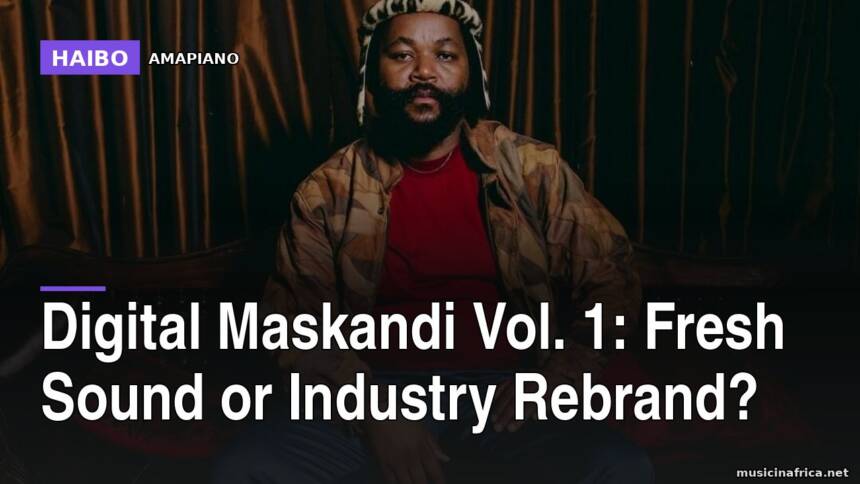
Nah, but listen, Chillers. We need to talk about this so-called ‘digital maskandi’ wave before the sponsors start handing out golden phones. Honestly, I don’t understand why we are treating algorithm-friendly traditional music like it’s a revolutionary breakthrough when, let’s be real, we’ve been streaming the same drum loops since half a decade ago.
Wait, wait, wait — you’re telling me a brand-new compilation is supposed to fix that? The timeline is buzzing because Durban Media House and Africori Music Group have reportedly linked up to launch Digital Maskandi Vol. 1. The stated goal is to bring well-known and up-and-coming South African artists together to supposedly push the boundaries of the genre.
Who controls the remix?
That sounds nice on paper, doesn’t it? But here is where I need to get honest with you. In my view, the project’s success depends entirely on whether Africori and Durban Media House actually let the artists breathe or lock them into a rigid studio formula designed solely for playlist placement. You see, pushing boundaries sounds great until the boundary is just another corporate wall waiting to be negotiated.
The tracklist tells a different story
The rollout has already started with a lead single called “Too Much,” featuring Mzukulu and Blxckie. If you ask me, watching two heavyweights step onto a digitally packaged traditional project tells us more about the current industry climate than any press release ever could. We are watching established voices adapt to a new distribution model, and I reckon that shift is less about artistic rebellion and more about survival in a market that wants tradition without the patience to listen to the full album.
Follow the money, not the melody
Mara, I’m not saying the music won’t hit the speakers. I’m saying the machinery around it definitely will. The streets are saying these partnerships usually come with strings attached, and honestly, we should expect the labels to treat this compilation like a testing ground rather than an art house. It’s not clear if the emerging talent getting tagged along will get equal airtime, or if they’re just there to make the marketing team look forward-thinking. My take is that unless the budget actually flows down to the bedroom producers and rural vocalists, this whole digital experiment is just rebranding what we already had.
Face card for face card, though — the ambition is visible. Streaming platforms want fresh packaging for classic sounds, and artists want access to newer audiences. When those two needs collide, magic happens, or chaos unfolds. Either way, the listeners are going to pay the price or reap the rewards, not the executives tracking click-through rates. We don’t judge here as long as the rhythm stays true to its roots, but the industry sure loves to dress old wine in new bottles.
So drop your thoughts in the comments, because we need to settle this right now: Is this digital maskandi project a genuine bridge for emerging talent, or just another industry gimmick dressed up in traditional beats?
Vote in the Facebook comments — results and your best takes become tomorrow's article.