Jabulile Majola Drops Ipasi: Rap Pivot To Afro-Folk?
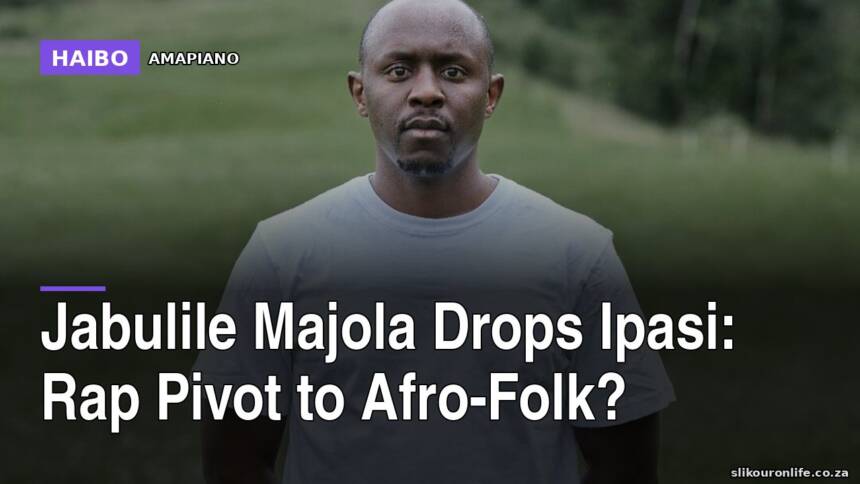
Chillers, we were already arguing about why half the lineup treats genre-shifting like a quarterly marketing strategy when Jabulile Majola actually just dropped something that doesn’t feel forced. Let’s be honest, most artists jump ship from rap to afro-soul because a sponsor told them they need broader appeal, and honestly? I’m probably wrong to give him credit this early. But then again, if you look closely at what he’s actually done here, it reads less like a boardroom pivot and more like someone finally listening to his own head.
Wait, wait, wait — can we talk about the pivot itself?
He just released Ipasi, which marks his 2 full-length project, and the sonic map has completely changed. We knew him for the rap verses, the sharp delivery, the heavy beat work. Now he’s sitting somewhere between folk melodies and modern production. According to coverage, the record digs into personal identity, personal growth, love, and heartbreak. That’s a lot of emotional weight to carry across a tracklist, and if you ask me, sticking to the same three-chord rap formula would’ve been the safe corporate play. Instead, he chose the hard route.
Is the industry ready to let artists actually breathe?
You see, the music business loves to package us. They want the same face, the same flow, the same predictable drop so they can sell the same playlist slot and chase the same brand deal. But here’s where my take lands: Jabulile isn’t chasing algorithmic validation; he’s chasing clarity. Shifting from rap to an Afro-folk sound isn’t just a production tweak—it’s a deliberate shedding of skin. I reckon that kind of vulnerability terrifies the data dashboard, which is exactly why mainstream media and the usual sponsorship circuit might barely know how to categorise it. Mara, who wants to slap a folk-recorded artist on a commercial billboard anyway?
The verdict on craft versus contract
Let’s be realistic, genre-hopping usually ends with fans confused and critics calling it diluted. But if you listen past the switch-up, the themes hold together. Identity and growth aren’t abstract concepts here; they’re baked into the rhythm changes. My honest opinion is that this looks like an artist refusing to be archived. It’s risky, sure, and I could be wrong about how the wider market receives it, but art that asks you to grow with it always outlasts art that just begs you to dance. Face card for taking the creative risk, even if the radio playlists take another month to catch up.
So here’s the real question for the timeline: does an artist have the right to completely overhaul their sound between records, or should they stick to the lane that got them noticed in the first place? Tell us where you stand, Chillers. Reporting referenced here draws from Sowetan Live and Slikour On Life.
Vote in the Facebook comments — results and your best takes become tomorrow's article.