When Medieval Judges Gave Defense Lawyers To Farm Animals
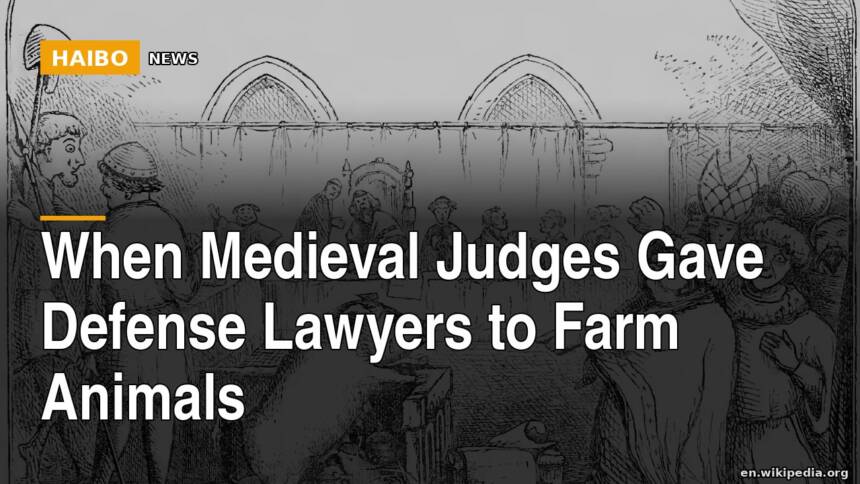
A rat faced a church court for destroying crops, and the verdict included professional lawyers representing the pest’s side of the story.
I swear, you scroll past news today thinking the world has gone mad, but sit down because history decided to pull a fast one on us.
We’re talking about actual legal files where non-human defendants showed up for hearings across Europe between the thirteenth and eighteenth centuries.
My brain is still trying to process how a cow ever made it past the gates of a courtroom without getting tackled by security.
Who gets a lawyer when you’re facing the court?
In church courts, they actually gave animals lawyers to defend their cases.
Secular courts were hit or miss, and sometimes humans didn’t even get representation either.
If you ask me, this sounds less like justice and more like the legal system was just trying to keep everyone busy while chaos unfolded around them.
What were they even charged with?
Mostly murder or property damage when domesticated animals like pigs, bulls, and donkeys went rogue against people or their belongings.
Ecclesiastical courts handled things like rats and weevils trashing entire harvests, and I reckon that explains why those pesky little guys got formal indictments.
I’m not okay with the image of a weevil sitting in the dock looking confused while a priest reads the charges.
What happens when the gavel drops?
Getting found guilty usually meant the animal faced exile or execution, and the punishment scenes were treated as proper public spectacles.
Professional executioners carried out the sentences, and large crowds gathered to watch the whole thing play out.
The archives describe these carry-outs as solemn public affairs, which means regular folks actually stopped what they were doing to stand around and watch.
Now for the detail that has me absolutely losing it.
Wait, wait, wait — reading that convicted animals were sometimes dressed in human attire before execution completely derails my ability to take these records seriously.
I cannot wrap my head around a decision to dress up a condemned pig or bull in mortal garments just to add a layer of theatrical cruelty to the hanging or burning.
My head hurts just imagining the logistics of tailoring clothes for livestock right before the finale.
I can tell you they didn’t always show mercy either.
Records describe cases where animals suffered torture matching the harm they caused, like a pig in the Norman city of Failaise in 1386 that had its face and arms mutilated before being hanged.
The owner could also get dragged into trouble if they knew their beast was dangerous, facing fines or even the gallows themselves depending on what they admitted.
I feel for the owners who realized too late that sharing a roof with a murderer wasn’t going to protect them from the law.
I know wild animals were completely off the table though.
Wolves and bears never faced any legal action at all, which suggests the laws only applied to creatures living among us rather than roaming free in the wild.
I find it hilarious that the system drew a hard line between farmyard troublemakers and actual wilderness predators.
It really makes you wonder what kind of logic dictated that distinction.
So, Chillers, would you have sided with the judges who thought giving a rat a lawyer kept society civilized, or is this just proof that humans invented bureaucracy to avoid fixing the real problems?
Source: Wikipedia’s article on “Animal trial”. The facts are theirs; the words are ours.
Vote in the Facebook comments — results and your best takes become tomorrow's article.