He Lost A Leg At Waterloo And It Became A Tourist Attraction
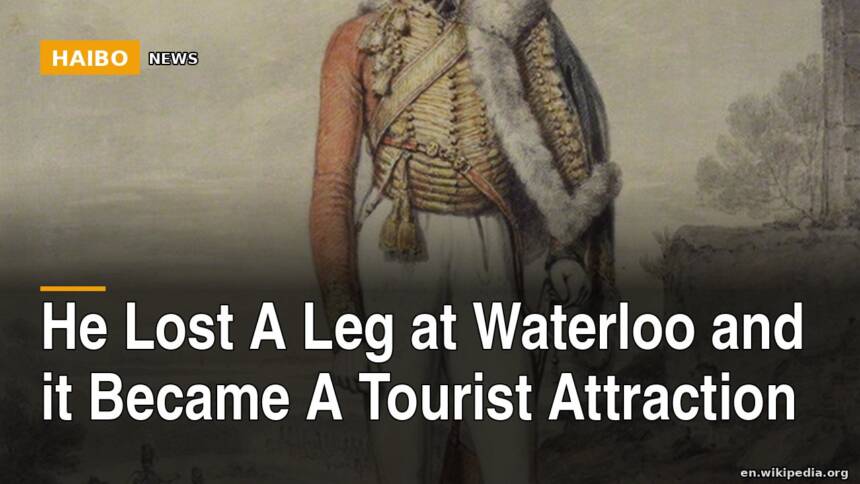
He lost his leg at Waterloo, and the severed limb became a Belgian tourist attraction.
Jump straight into 18 June 1815, where Paget commanded 13,000 cavalry alongside 44 horse artillery guns. He ordered a charge with 2,000 heavy troopers to break D’Erlon’s French corps, saving Picton’s division from being overwhelmed. The attack worked initially, scattering the French infantry, but the pursuit spiraled out of control.
Eish, I cannot wrap my head around staying in the saddle when things go sideways. Counter-attacking cavalry picked off Paget’s men while he kept leading light charges until losing eight or nine horses shot from under him. That kind of focus I could never muster.
Did Wellington Care About a Lost Limb?
Cannon fire finished the ride when a shot shattered Paget’s leg while he stood near Wellington. Paget announced he had lost his limb, and the Duke replied he had too. Hearing that direct reply makes me realize how quickly commanders switch to business mode.
Other records show the exchange actually played out differently, with Paget shouting that he finally got struck and Wellington asking if he truly did. Either way, the man was carried to a private residence called Maison Tremblant, owned by a local gentleman named Paris. doctor Hume performed the amputation above the knee, with Powell and Callander standing by.
Honestly, I judge everyone who thinks they could handle surgery with a straight face. Paget smiled through the procedure and joked about his 47 years as a beau. My friend, complaining about tool quality while bleeding out requires a level of calm I do not possess.
Was the Leg a Tribute or a Joke?
Vivian examined the aftermath and confirmed the bone was destroyed by rusty shot. He told Paget the limb was useless, giving the wounded noble permission to stop worrying about keeping it. Paget later stated no one would regret losing a leg for such a victory, though I wonder how many other legs vanished that day.
Paget declined a £1,200 pension offered for compensation, choosing honors instead. Five days after the battle, he received the title Marquess of Anglesey and the Order of Bath. The saw used for the operation survives today at the National Army Museum, preserving the steel that did the work.
Paris buried the limb in his garden and created a shrine. Visitors walked past the bloody chair first, sitting through the agony, before finding the grave marker. The inscription praised Paget’s role in defeating the French, treating the loss as a sacrifice for humanity.
Not everyone worshipped the display. A visitor scratched insults on the tombstone, and George Canning wrote mocking verses that newspapers reproduced. The leg became a spectacle where admiration met ridicule, proving that history attracts crowds who want both reverence and laughs.
Chillers, Paget turned down £1,200 a year for a title and let his body part become a roadside attraction that people mocked—would you take the cash and walk away, or sign the paper for the glory?
Source: Wikipedia’s article on “Lord Uxbridge's leg”. The facts are theirs; the words are ours.
Vote in the Facebook comments — results and your best takes become tomorrow's article.