Queen Noma’s New Track And The AI Storytelling Dilemma
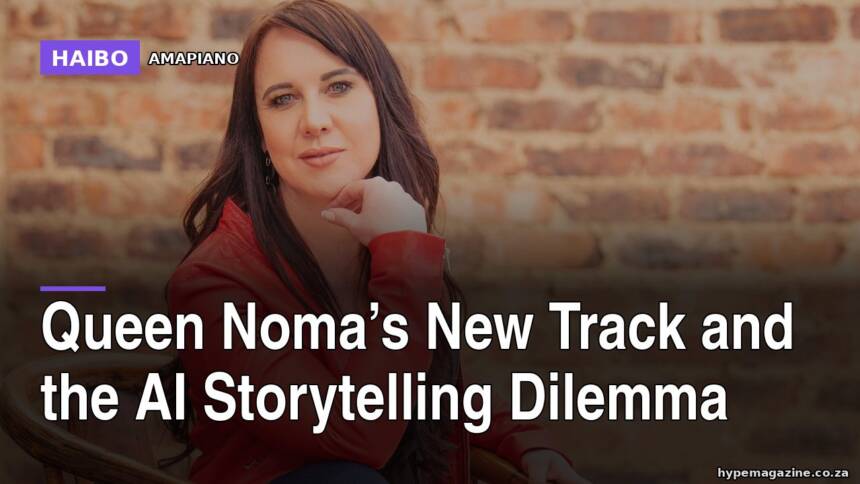
You already know how we get when a major house music king lines up with a campaign-heavy artist — the timeline immediately starts drafting the playlist, but someone always forgets to check the liner notes first, Chillers. I’m looking at the rollout for Queen Noma’s latest collab with DJ Maphorisa and Nay Maps, and honestly? My first reaction is that we’re watching the industry try to package a social movement into a three-minute streaming hook. But I could be wrong, and maybe that’s exactly what this generation needs right now.
The collab that sounds like a lecture?
The track is called ‘Count Your Blessings’, and according to reporting from Zalebs and Hype Magazine, it sits squarely inside Dr Noma Mbeki’s Anti-Pens Down Campaign. The stated goal is to push young people to recognise their own wins and make smarter life choices instead of chasing dead ends. That’s a heavy lift for any single song, especially when it arrives wrapped in the same glossy production formula that’s been flooding our speakers for years. If you ask me, turning systemic pressure into a catchy afropop drop feels less like grassroots education and more like a carefully managed brand pivot. Or maybe I’m just reading too much into a beat drop. Mara, we’ve seen campaigns like this before, and half the time the awareness vanishes once the ad spend stops.
Why the AI voice felt like a compromise
Here’s where the storyline takes a turn that has me questioning the usual playbook. The accompanying story’s audio version was reportedly generated using artificial intelligence. I’ll say it plainly: having a digital synthesis read your advocacy message while a world-class producer lays down the rhythm creates a weird dissonance. The industry loves efficiency, sure, but when you’re asking kids to pay attention to their future, does a synthetic voice actually carry the weight of lived experience? I’m not saying tech isn’t useful, but my take is that automating the storytelling around an education and wellness campaign might accidentally signal that the message itself isn’t worth the human effort to record properly. Then again, maybe it’s just a smart workaround for creators navigating unpredictable upload algorithms.
What actually lands for the everyday listener
Let’s be realistic about how these projects survive past the first weekend. Sponsors love a tidy narrative, mainstream media loves a headline that fits neatly into a Monday slot, and everyone involved gets a clean metric to point to at year-end. But the average student scrolling past this on a shared smartphone probably just wants to know if the advice translates to reality. Does recognising your blessings actually stop the cycle that keeps people trapped in the first place? I reckon the track will do fine as a motivational BGM, but whether it shifts behaviour depends entirely on whether listeners see themselves in the room where the choices are made, not just in the lyrics they hear. The streets are saying the production slaps, but the actual policy conversations usually happen after the stream finishes.
This report draws on coverage published by Hype Magazine and Zalebs.
Vote in the Facebook comments — results and your best takes become tomorrow's article.