Simphiwe Dana On Grief, Siblings And The Real ‘MOYA’
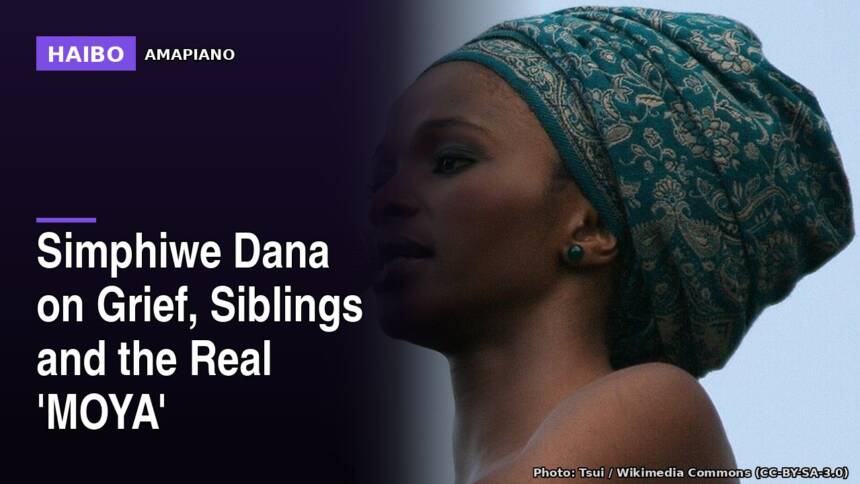
My take is that Simphiwe Dana just proved that the best part of a Gallo Renaissance Award isn’t the hardware, it’s the permission slip to finally stop hiding the pain that built the music. Look, I’ll admit my expectations were set low, because we’ve seen too many legends treat a win like a green light to polish the image rather than unpack the truth, so when she started talking about her 6th studio album, I braced for the usual glossy spin, but Mara, the timeline told a different story.
Why MOYA Feels Less Like an Album and More Like a Confessional
In an interview connected to Kaya Creator’s Corner, Simphiwe Dana didn’t just wave at the camera; she dissected how grief informed her creative process. She recounted losing her mother at an early age and the sudden weight of becoming responsible for her younger siblings, framing these life-altering moments not as backstory trivia, but as the core engine of her healing journey.
If you ask me, there’s a massive difference between an artist who uses trauma as a marketing hook and one who channels it into survival, and Dana sits firmly in the latter camp. Her decision to weave these responsibilities into the fabric of MOYA suggests she’s using the music to process the past rather than just monetize it, which reads as a refreshing shift away from the performative vulnerability we often see pushed by the mainstream media machine.
But I could be wrong; maybe the pressure of maintaining relevance in such a competitive space demands this level of exposure, and I refuse to discount the business acumen that might be driving the transparency. Even so, the result speaks for itself: a 6th studio album that asks listeners to sit with the heavy stuff alongside the melody.
The Gallo Renaissance Award Validates the Long Game
Receiving the Gallo Renaissance Award at its 5th edition wasn’t just a nod to legacy; it felt like the industry catching up to the emotional depth Dana has been delivering for years. While some might argue that awards are just industry self-congratulation designed to keep the sponsors happy, this particular honor seems to align perfectly with the themes of resilience and mentorship inherent in her story.
Nah, but listen, Chillers — when a label or broadcaster finally hands a platform to an artist willing to discuss the real cost of their success, it forces the rest of us to question why we consume music without acknowledging the human toll behind the beat. Simphiwe Dana’s willingness to stand in that spotlight and name the struggle turns the award into something far more meaningful than a metal disc; it becomes a testament to staying power.
Ultimately, the connection between MOYA, the siblings she raised, and the recognition she received creates a narrative arc that no marketing team could manufacture. Whether this level of openness inspires a new wave of authentic storytelling in Mzansi culture or sets a precedent that risks burning out artists by demanding constant emotional labor remains to be seen, but for now, the impact is undeniable.
Vote in the Facebook comments — results and your best takes become tomorrow's article.